


The car was quiet for a moment. We adults looked at each other and didn't answer for a while:
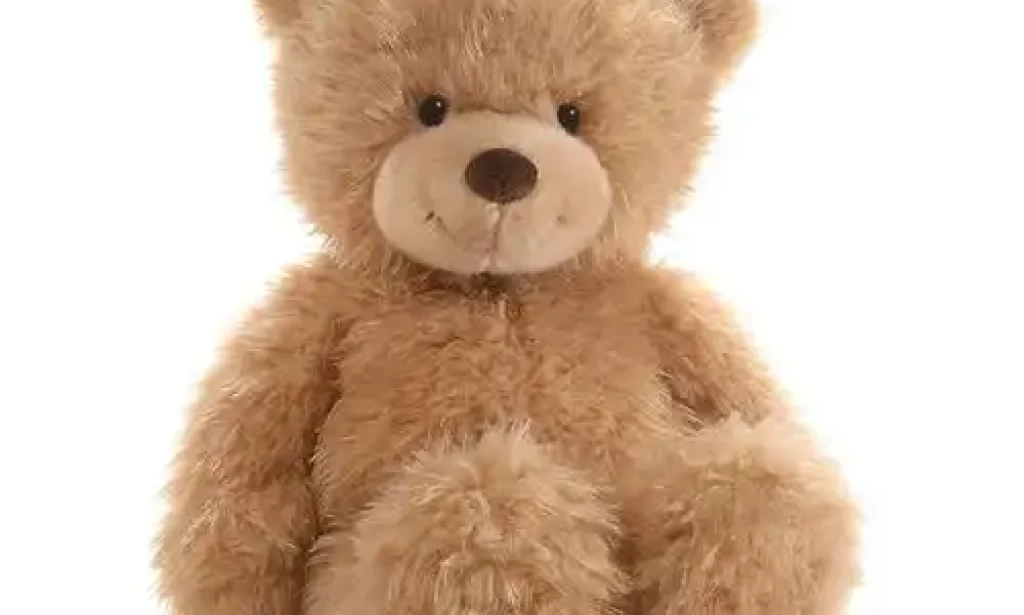
Yes, which post-90s generation didn't fantasize about having a Doraemon who can talk and has a "treasure chest" when he was a child? Which post-2000s child didn't hug the silent teddy bear in the middle of the night and quietly make a wish - I hope it can say good morning when it wakes up tomorrow?
It turned out that we were looking forward to the company, but now our children are still looking forward to...
Fortunately, with the advent of the AI era, making toys such as Doraemon talk and dance is gradually becoming a reality.
In the past year or so, there have been more than 30 investment and financing events on the domestic AI toy track, attracting the participation of nearly 100 investment institutions. At the same time, the JD platform also shows that in the first half of 2025, the sales of AI toy products increased by 6 times month-on-month, with a year-on-year growth rate of more than 200%.
Against this background, an AI genius clown duck (AI plush toy) launched by Babycare has become the most eye-catching presence in the wind. It not only exceeded 2 million in sales in the first month, but also proved the product strength with market results, and also attracted many media reports such as People's Daily...
As a traditional mother and baby brand, how does Babycare do it? How far has the whole AI toy industry developed?
// Let the "plush toy" speak, how many childhood dreams has AI fulfilled?
Times are changing, and so are people's consumption trends.
From the teddy bear that I loved when I was a child, to the popular Lena Belle two years ago, to the popular labubu now, in recent years, there have also been some new changes in the plush toy market:
I. The target user group is expanding from children to all ages.
According to statistics, in the current Chinese plush toy market, children are still the most stable consumer groups, but the proportion of adult consumers is also increasing, and the overall crossing line is accelerating to exceed 50%. Among them, the core demand of 64% of buyers is to "relieve loneliness".
This trend is very obvious on the consumer side, just like people's love for labubu, Lena Belle and strawberry bear, which is basically regardless of age.
Plush toys can be children's "Abebei" or spiritual comforting products for adults.
This is a preference written in human genes - a study by Nature pointed out that plush materials stimulate the secretion of oxytocin, which is 32% higher than the benchmark value, and the level of cortisol (stress hormone) decreases by 28%.
The furry touch can help people relieve anxiety, release stress, and bring a sense of security and healing. Plush toys are like a kind of "touchable psychological treatment" that human beings actively seek...
II. Consumer culture is undergoing a complex transformation from "fun" to "fashion play" and then to "emotional support".
It can be found that now, whether it is labubu, teddy bear, adults or children, people's love for plush toys is basically from the very beginning of "fun and interesting" to becoming a social monetary role, and then gradually becoming a way to satisfy emotional values and show their emotions.
For example, many children will treat Doraemon and teddy bear dolls as good friends and take them with them wherever they go;
For example, many people will also open a social media account for their Barcelo bear dolls, update their role-playing daily life, or use decorations to "go crazy" and release various emotions in life...
However, unfortunately, this kind of doll "personification" is more people's emotions mapping to "plush toys", which is called spiritual companionship, which is more like a one-way emotional support and passive emotional perception.
But in real life, just like many children ask their parents, "Why can't my favorite Doraemon, Nick and Judy talk to me?"
This desire is obviously a more active and two-way spiritual companionship.

Just like many people like to keep pets, they also pursue an interactive companionship that can provide instant feedback.
Although Mao children can't speak, they can sense emotions, and then shake their heads and tails to calm you down with actions...
This actually also points out a future development route for the plush toy industry, and the products should evolve in a two-way and interactive direction.
That is to say, take the route of AI intelligence + plush toys, from a static image doll to an AI partner who can speak and sing, have personality, and realize emotional concreteness.
//User thinking is broken, Babycare's new AI toy solution
In fact, after the AI model came out, the AI toy market has already emerged.
Unfortunately, even if the market potential of AI toys has broken through to 100 billion, most products are still in the shallow stage of "voice interaction + function overlay":
I can tell stories but can't remember children's preferences, and I can answer questions but I can't perceive emotions.

After a period of freshness, most of such AI toys have also become idle items at home.
Fundamentally, most of these AI toys are the result of technology companies under the product thinking. They are made of technological hardware products covered with plush toys, not a children's "partner".

You must be logged in to post a comment.