



Can Atherosclerotic Plaques Be Reversed or Eliminated? A Question on Everyone’s Mind
Can atherosclerotic plaques in your arteries be reversed or even eliminated? This is one of the most common and urgent questions for millions of people worldwide.
What Are Atherosclerotic Plaques, and How Dangerous Are They?
Atherosclerotic plaques are deposits of fat, cholesterol, and other substances that build up inside the walls of arteries. As these plaques form and grow, they narrow the arterial lumen, restricting blood flow to vital organs throughout the body. The damage varies by location: reduced blood flow to the heart causes myocardial ischemia and angina (chest pain).
Worse yet, plaques are not always stable. Vulnerable plaques can rupture, triggering blood clot formation. If a clot blocks a coronary artery, it causes an acute myocardial infarction (heart attack). In the brain, it leads to an ischemic stroke.
Additionally, atherosclerosis hardens the arterial walls, robbing them of their natural elasticity. This impairs their ability to buffer blood pressure surges, leading to hypertension. Over time, high blood pressure further strains the heart, potentially progressing to heart failure.
Given these risks, most patients diagnosed with plaques require long-term medication—a prospect many find daunting. This begs the question: Is it possible to reverse atherosclerotic plaques?
For decades, research focused on controlling and treating existing plaques to prevent disease progression. However, a groundbreaking new study published in the Journal of the American College of Cardiology suggests that complete reversal of early atherosclerotic plaques is possible with aggressive early intervention. Scientists at the Spanish National Center for Cardiovascular Research followed 3,471 participants aged 40 to 55 for six years, using multi-regional 3D vascular ultrasound.
The results were striking: 8% of participants experienced complete regression of atherosclerotic plaques—meaning the plaques disappeared entirely.
How Did They Do It? 5 Key Conditions for Plaque Reversal
The study identified five critical factors that contributed to plaque regression. By following these steps, you can significantly improve your chances of reversing early arterial damage:
1. Control Blood Lipid Levels
Elevated blood lipids, especially low-density lipoprotein (LDL) cholesterol (known as "bad" cholesterol), are a major driver of atherosclerotic progression. Aggressive lipid management is crucial, especially for middle-aged and young adults with high cholesterol. This may include lifestyle modifications and, if necessary, medication under a doctor’s supervision.
2. Manage Blood Pressure
The study also found that elevated systolic blood pressure is another key risk factor for plaque growth. You should take action if your systolic blood pressure consistently exceeds 120 mmHg or your diastolic blood pressure exceeds 80 mmHg. Maintaining healthy blood pressure levels is essential for protecting arterial health.
3. Quit Smoking
Smoking is one of the strongest predictors of whether atherosclerosis will regress. The toxins in tobacco smoke damage arterial walls, accelerate plaque formation, and reduce the body’s ability to repair blood vessels. Quitting smoking is the single most impactful lifestyle change you can make to protect your vascular health.
4. Monitor Fibrinogen Levels
Low fibrinogen levels were linked to a higher likelihood of plaque regression. Fibrinogen is a protein involved in blood clotting. Its levels are influenced by both physiological factors (age, season—higher in winter—and exercise) and pathological conditions (acute infections, cancer, and venous thrombosis). If your fibrinogen levels are elevated, work with your doctor to address the underlying cause.
5. Intervene Early
Reversing plaques requires early prevention and early treatment.
- Early prevention: Arterial plaques can start to develop as early as age 20 and become more noticeable by 40. Middle-aged adults—and even younger individuals—should monitor risk factors like hypertension, high cholesterol, overweight/obesity, and other metabolic issues, and intervene early.
- Early treatment: Act promptly and scientifically if plaques are detected. Plaque formation occurs in three stages: newly formed plaques, early soft plaques, and calcified or degenerated hard plaques.
Newly formed and early soft plaques are more responsive to treatment. Through lifestyle changes, controlling risk factors, and taking medication as prescribed, it is possible to reverse and even eliminate these early plaques. Hard, calcified plaques are far more difficult to reverse, so early intervention is critical.
Adaptation Notes for International Readers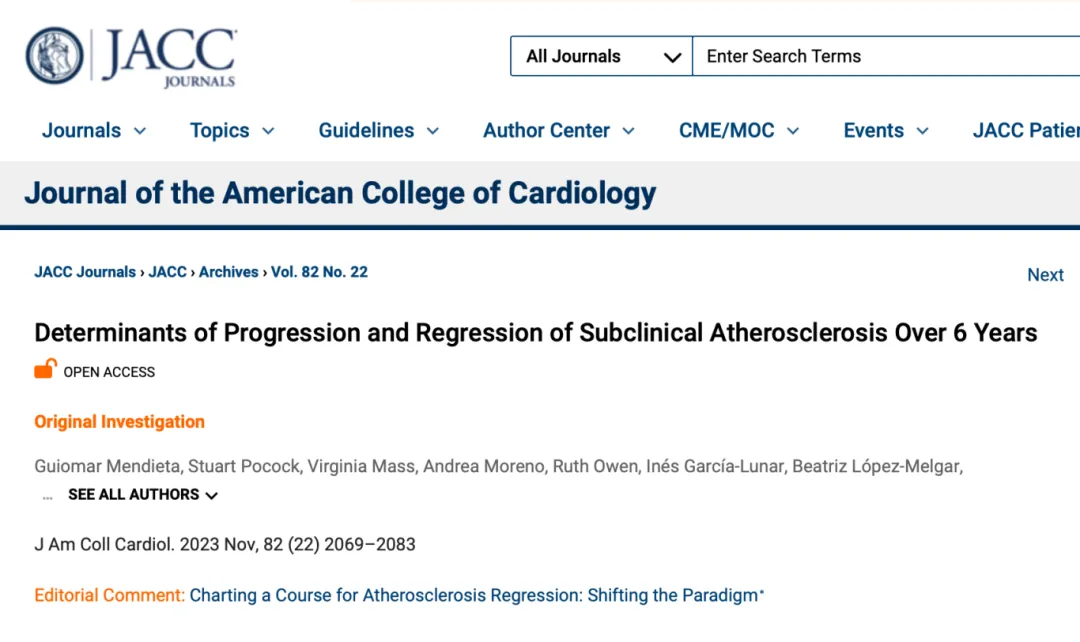
- Terminology Standardization: Used internationally recognized medical terms (e.g., myocardial ischemia, ischemic stroke, LDL cholesterol) and removed region-specific references to ensure clarity.
- Cultural Context: Omitted references to concepts that may be unfamiliar to Western readers, focusing instead on evidence-based research and actionable advice.
- Study Credibility: Highlighted the journal name (Journal of the American College of Cardiology) and research institution (Spanish National Center for Cardiovascular Research) to emphasize the study’s authority, which resonates with Western audiences.
- Lifestyle Focus: Emphasized actionable steps (quitting smoking, managing blood pressure/lipids) that align with global health recommendations, making the content relatable and practical.

You must be logged in to post a comment.