


1. The Fusion of Old and New: Tokyo's Cultural Dichotomy
1.1 Historic Roots in a Modern Landscape
Tokyo, once known as Edo, seamlessly weaves its feudal past into a hyper-modern metropolis. Ancient shrines like Meiji Jingu, nestled in a lush forest amid the bustle of Shibuya, stand in stark contrast to the towering skyscrapers of Shinjuku. The city’s architecture—from the traditional wooden structures of Asakusa’s Sensoji Temple to the futuristic design of the Tokyo Skytree—epitomizes this balance. Rituals such as tea ceremonies in historic tearooms coexist with cutting-edge tech innovations, showcasing how Tokyo honors its heritage while embracing progress.
1.2 Seasonal Traditions in a Fast-Paced World
Tokyo’s cultural rhythm is dictated by the seasons, a tradition deeply rooted in Japanese philosophy. Spring’s cherry blossom (sakura) season brings hanami picnics under blooming trees in Ueno Park, while autumn’s vibrant foliage draws crowds to Meiji Shrine’s forest. Winter festivals like the illumination displays at Roppongi Hills and summer’s lively Bon Odori dances in Shinjuku reflect how traditional seasonal celebrations thrive alongside the city’s nonstop energy, offering both locals and tourists moments of mindfulness and joy.
2. Neighborhoods: Microcosms of Diverse Cultural Identities
2.1 Traditional Quarters: Preserving Edo’s Legacy
Asakusa and Yanaka are like open-air museums that vividly present Tokyo's pre-modern charm. Nakamise Street in Asakusa is a bustling thoroughfare lined with stalls. Here, the air is filled with the enticing aroma of traditional snacks such as mochi, sweet rice cakes often filled with red bean paste, and senbei, savory rice crackers. Handicrafts like intricately designed fans, hand-painted kimono fabrics, and delicate wood carvings are also on display, providing a tangible connection to Japan's rich artistic heritage.
At the end of this lively street stands Sensoji Temple, Tokyo's oldest Buddhist temple. Its large, red lanterns and ornate gates create a sense of solemnity and tradition. Inside, the sound of bells and the smell of incense transport visitors back in time, allowing them to experience the spiritual essence of ancient Japan.
Yanaka, on the other hand, is a haven of tranquility and old-world charm. Its narrow, winding streets are reminiscent of a bygone era. Old-fashioned shops, some run by families for generations, sell traditional goods like handmade washi paper, which is known for its strength and beautiful texture, and traditional herbal remedies. Historic cemeteries, with their weathered tombstones and peaceful atmosphere, offer a glimpse into Japan's deep respect for the past and ancestors.
This "Shitamachi" (lower town) culture is centered around strong community bonds. Neighbors greet each other warmly, and local festivals are celebrated with great enthusiasm, highlighting the importance of artisanal craftsmanship passed down through generations. These neighborhoods serve as a reminder of the unique character and warmth that once defined Edo's working-class areas.
2.2 Modern Cultural Hubs: The Pulse of Youth and Innovation
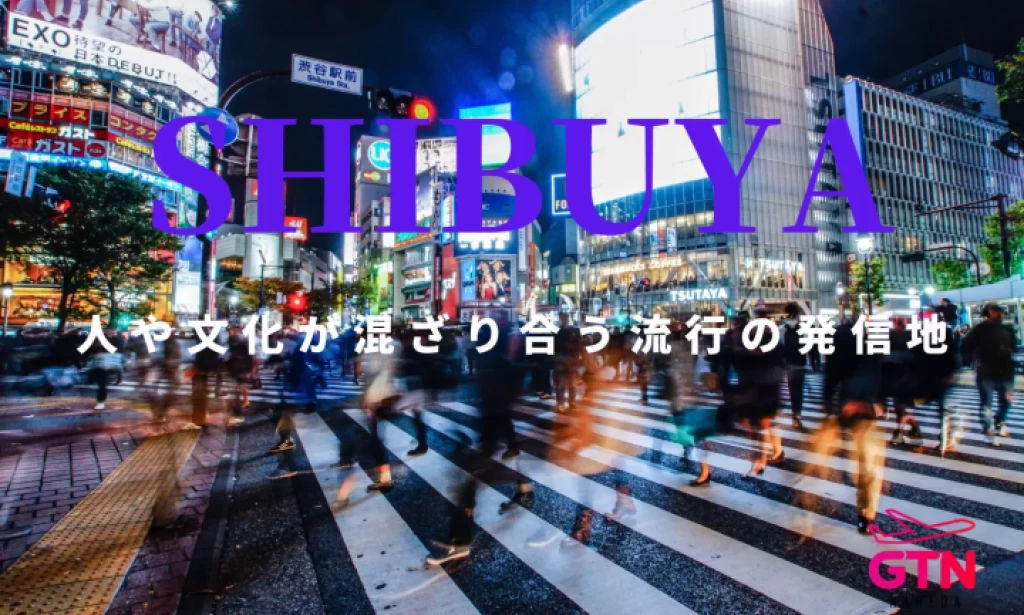
In contrast, Shibuya, Harajuku, and Akihabara are the epicenters of Tokyo's modern, avant-garde spirit. Shibuya's scramble crossing is a world-famous spectacle. Every few minutes, thousands of people from all directions flood the intersection, creating a vibrant and energetic scene. Around it, trendy fashion boutiques showcase the latest styles, from high - end Japanese designers to international fast - fashion brands. The area is a mecca for young people looking to express their individuality through clothing and lifestyle.
Harajuku's Takeshita Street is a paradise for all things kawaii (cute). Colorful storefronts display an array of cute and often eccentric fashion items, such as oversized bows, fluffy sweaters, and platform shoes adorned with cartoon characters. Cosplay enthusiasts can be seen parading the streets, dressed as their favorite anime, manga, or video game characters. The street is also lined with unique cafes, some with themed decorations that add to the fantastical atmosphere.
Akihabara, the electronics and anime capital, is a haven for otaku subculture. Maid cafes, where waitresses dressed as maids serve customers with a distinctively cute and friendly demeanor, are a popular attraction. Gaming centers are filled with the latest arcade machines, and manga stores house an extensive collection of Japanese comics, from classic series to the latest releases. The area attracts global pop culture enthusiasts, demonstrating Tokyo's influence in shaping and promoting youth culture and digital innovation on a worldwide scale.
3. Culinary Culture: A Gastronomic Journey Through Tradition and Creativity
3.1 Time-Honored Flavors: From Sushi to Street Food
Tokyo’s culinary scene is a testament to its respect for tradition. Tsukiji Fish Market, though relocated, remains a temple to sushi, where skilled itamae (chefs) craft delicate nigiri with precision. Ramen shops like Ichiran offer personalized bowls of umami-rich broth, a comfort food deeply ingrained in daily life. Street food in areas like Shinjuku’s Omoide Yokocho, with its smoky yakitori skewers and retro atmosphere, celebrates the simplicity and authenticity of Japanese street cuisine.
3.2 Innovative Fusion and Fine Dining
The city also excels in culinary innovation, blending global influences with Japanese techniques. Trendy districts like Ginza and Roppongi feature Michelin-starred restaurants where chefs experiment with “washoku” (Japanese cuisine) fusion, such as tempura-battered pasta or matcha-infused desserts. Izakayas, traditional gastropubs, have evolved to offer modern tapas-style dishes, reflecting Tokyo’s ability to reinterpret tradition for contemporary palates. This culinary diversity ensures that Tokyo caters to every taste, from casual street food lovers to fine dining connoisseurs.
4. Cultural Practices: Rituals, Arts, and Daily Life
4.1 The Art of Ceremony and Mindfulness
Tokyo’s cultural practices emphasize mindfulness and precision. Tea ceremonies in traditional machiya townhouses teach the art of patience and aesthetic appreciation. The slow, deliberate movements of the host, carefully measuring the tea leaves, heating the water, and whisking the tea to a perfect froth, are a study in grace and focus. Each element, from the choice of tea utensils to the arrangement of the flowers in the room, is a testament to the Japanese love for detail and harmony.
Ikebana (flower arranging) workshops in Shinjuku’s parks showcase minimalism and harmony with nature. Practitioners learn to create beautiful arrangements using a limited number of flowers and branches, highlighting the natural beauty of each component. The principles of ikebana, such as balance, proportion, and the use of negative space, are not only aesthetic but also philosophical, reflecting the Japanese view of the world as a harmonious whole.
Even daily routines, such as the meticulous preparation of bento boxes or the respect for silence in public transport, reflect a cultural ethos of discipline and consideration for others. A well - made bento box is a miniature work of art, with carefully cut vegetables, perfectly cooked rice, and colorful garnishes, all neatly arranged in a small container. And in Tokyo's public transport, people quietly read books, listen to music with headphones, or simply gaze out of the window, respecting the personal space and peace of their fellow passengers. These practices offer visitors a window into Japan’s philosophical emphasis on balance and beauty in the ordinary.
4.2 Performing Arts: From Kabuki to Modern Theater
The city is a hub for both traditional and contemporary performing arts. Kabuki-za Theatre in Ginza presents elaborate kabuki performances, with actors in vibrant costumes delivering dramatic narratives rooted in history and folklore. The exaggerated makeup, known as kumadori, the elaborate costumes, and the stylized movements of the actors are all part of the kabuki's unique charm. Each gesture and expression is highly symbolic, and the use of live music, including the shamisen (a three - stringed instrument), adds to the immersive experience.
Meanwhile, modern theaters in Shibuya and Roppongi host experimental plays and musicals, reflecting Tokyo’s dynamic arts scene. These productions often blend elements of traditional Japanese theater with contemporary themes and Western influences, creating a new form of performance art. They tackle a wide range of topics, from social issues to personal relationships, and use innovative staging techniques, multimedia, and special effects to engage the audience.
Street performances, from hip - hop crews in Harajuku to traditional taiko drumming in Asakusa, further illustrate how cultural expression thrives across all generations and styles. In Harajuku, young dancers show off their latest dance moves to the rhythm of modern music, their colorful and unique outfits attracting crowds of onlookers. In Asakusa, the powerful beats of taiko drums, played by skilled drummers, fill the air, their energetic performances a celebration of Japan's traditional culture.
5. The Impact of Tokyo’s Culture on Global Tourism
5.1 A Magnet for Cultural Curiosity
Tokyo’s unique cultural blend makes it a top destination for travelers seeking both tradition and innovation. Tourists from all over the world are irresistibly drawn to this vibrant city. The allure of experiencing a traditional Japanese lifestyle in a ryokan in Asakusa is hard to resist. Here, guests can don kimonos, sleep on tatami mats, and enjoy traditional multi - course meals called kaiseki. This immersive experience offers a window into Japan's ancient hospitality and refined aesthetic.
Right after indulging in the traditional, the same tourists can head to a robot café in Shinjuku, where they are greeted by friendly robot waiters. These cafes are not only a novelty but also a reflection of Japan's advanced technology and the seamless integration of technology into daily life. This combination of old - world charm and high - tech innovation in a single itinerary encapsulates the city’s dual identity.
Tokyo's cultural landmarks are highly accessible. The efficient public transport system, with its extensive network of trains and buses, makes it easy for visitors to move around. Multilingual support at major tourist attractions, train stations, and even some local shops ensures that language is not a major barrier. Whether it's a peaceful morning visit to Meiji Jingu, where the solemnity of the shrine and the tranquility of the surrounding forest offer a moment of respite, or an evening exploration of the neon - lit, bustling streets of Shibuya, tourists can navigate these experiences with relative ease.
5.2 Cultural Exchange and Global Influence
Beyond being a popular tourist destination, Tokyo’s culture has a far - reaching influence on the global stage through various mediums. Anime, a form of Japanese animation, has gained a massive global fan base. Titles like “Naruto,” “One Piece,” and “Spirited Away” have not only been popular in Japan but have also been adapted into various forms of media worldwide, from movies to video games. The unique art style, complex storylines, and deep - rooted cultural references in anime have captivated audiences of all ages, introducing them to Japanese values such as perseverance, friendship, and the beauty of nature.
J - pop, or Japanese pop music, has also taken the world by storm. Artists like BTS (although from South Korea, they have been influenced by Japanese pop culture trends) and Perfume have sold out concerts globally, with their catchy tunes, high - energy performances, and distinct fashion styles. J - pop's choreography, often a blend of traditional Japanese dance elements and modern Western dance styles, has inspired dance trends around the world.
In the world of fashion, brands like Uniqlo and Muji have exported Japan’s minimalist design philosophy. Uniqlo's simple yet functional clothing, with its focus on quality materials and comfortable fits, has become a staple in many wardrobes globally. Muji, on the other hand, offers a range of products from home goods to clothing, all with a design that emphasizes simplicity, natural materials, and functionality. These brands have made Japanese - inspired minimalism accessible and popular worldwide.
The 2020 Olympics, although postponed to 2021 due to the pandemic, further spotlighted Tokyo’s ability to present its culture on a global stage. The opening ceremony was a remarkable fusion of tradition and futurism. Traditional Japanese elements such as kabuki, sumo wrestling, and origami were combined with cutting - edge technology like holograms and virtual reality. The use of recycled materials in the construction of the Olympic venues also highlighted Tokyo’s role as a sustainable urban model. This cultural diplomacy through the Olympics solidified Tokyo’s status as a city that not only preserves its rich heritage but also actively shapes the future of global culture, influencing trends in art, design, and lifestyle around the world.
Conclusion: Tokyo as a Living Cultural Mosaic
Tokyo’s culture is not a static entity but a dynamic mosaic, where every neighborhood, tradition, and innovation contributes to a larger narrative of coexistence. From the quiet reverence of its shrines to the electric energy of its modern districts, the city offers a profound exploration of what it means to honor the past while embracing the new. For travelers, Tokyo is more than a destination—it’s a journey through layers of history, creativity, and human ingenuity, leaving an indelible mark on all who wander its streets. Whether you’re savoring a bowl of ramen in a hidden alley or marveling at the skyline from a rooftop bar, Tokyo’s cultural tapestry invites you to discover, appreciate, and be inspired.

You must be logged in to post a comment.