

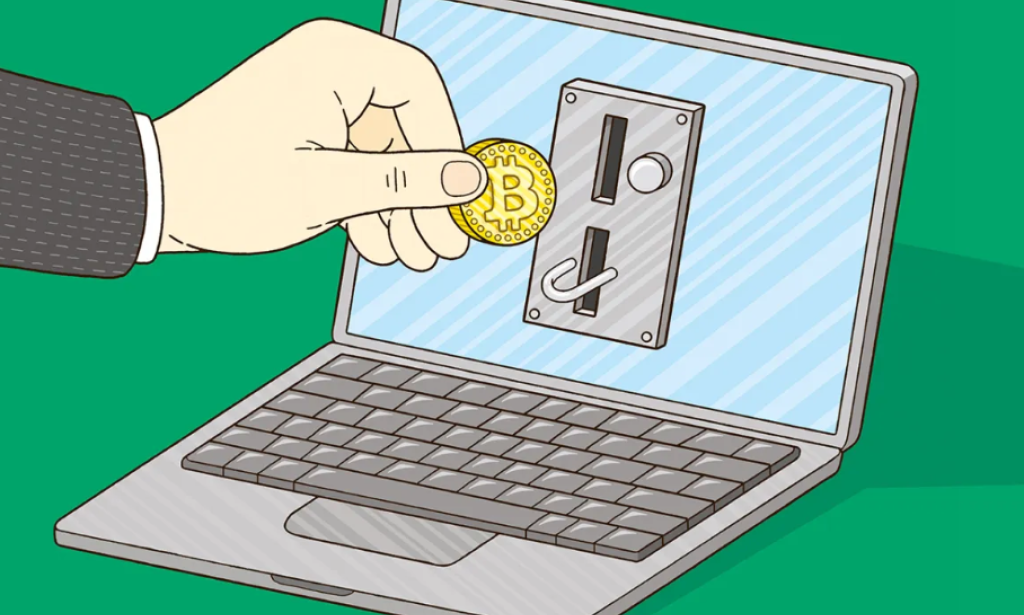

If you had put £1,000 into bitcoin in March 2020, you could now be sitting on about £20,000. No wonder so many people are dabbling in cryptocurrencies. But — a friendly warning — this is a volatile area of investing. The Financial Conduct Authority (FCA) warns it is “high risk and speculative” and that you should only put in money you are prepared to lose, as you could lose it all. So get ready to ride out the ups and downs. Or HODL (hold on for dear life), as the crypto crowd says.
Still interested? Research is key. Use reputable trading platforms, buy legitimate cryptocurrencies and store them securely.
What actually is crypto?
A digital currency. Users can make secure peer-to-peer transactions, directly from one party to another (private individuals and businesses), without the involvement of a bank or other middleman. Transactions are recorded on a digital ledger, or database, known as the blockchain, designed to be secure and transparent. The bitcoin and ethereum blockchains are publicly available, so anyone can view all transactions, though not personal details.
Choose your currency carefully
There are thousands of cryptocurrencies. These range from the legitimate (bitcoin, ether) to meme coins that are created as a joke and occasionally gain traction with actual investors (Elon Musk’s dogecoin) and outright scams. Bitcoin and ether are the biggest, with the longest track records, so probably the best choice for newbies.
How to buy it
You need to use an investment platform or exchange such as Etoro or Coinbase. Check it is registered with the FCA. These charge a percentage to buy or sell, plus a currency conversion fee, as crypto is usually priced in dollars. Revolut, the banking app, is another popular choice. Download the app, transfer money, then select the cryptocurrency you want to buy. This is where you can keep tabs on how your investment is faring.
How to spend it
Most people hold crypto as an investment rather than a payment method. Laszlo Hanyecz made history with the first real-world bitcoin payment in 2010. He paid 10,000 bitcoins for two pizzas — £30 at the time but worth about £650 million today.
Crypto can be stored in a digital wallet, from where you can send and receive it. But for real-world spending, a lightning wallet is better — payments are fast, secure and have low transaction fees. This is like the wallet you use to make debit card payments on your phone, but for crypto. Retailers that accept crypto generate a QR code that you scan with your phone to make the payment.
How to sell it
It’s easiest through your investment platform or exchange — just hit “sell” and choose which currency you want your money converted back to. Profits may be liable for capital gains tax of up to 24 per cent (your annual CGT allowance is £3,000). This also applies to spending crypto, if it is worth more at the point of the transaction than when you bought it. It’s up to you to keep good records and declare this through a self-assessment tax return.
How to keep it safe
There have been instances of crypto being stolen from wallets and of exchanges collapsing. In 2022 the world’s biggest crypto exchange, FTX, went bust, leaving investors nursing estimated losses of $8.7 billion and its founder, Sam Bankman-Fried, convicted of fraud.

You must be logged in to post a comment.