



 Less Is More: Cultivating a Lifestyle Rooted in What Matters
In a world that bombards us with messages of “more”—more possessions, more activities, more achievements—it’s easy to lose sight of what truly makes life meaningful. We fill our schedules to the brim, clutter our homes with things we don’t need, and chase goals that don’t align with our hearts, all in the name of “success.” But lately, a growing number of people are embracing a different approach: a lifestyle of simplicity, where less isn’t about deprivation, but about making space for what matters most. For foreigners seeking fulfillment beyond the chaos, this shift toward “less but better” is a breath of fresh air.
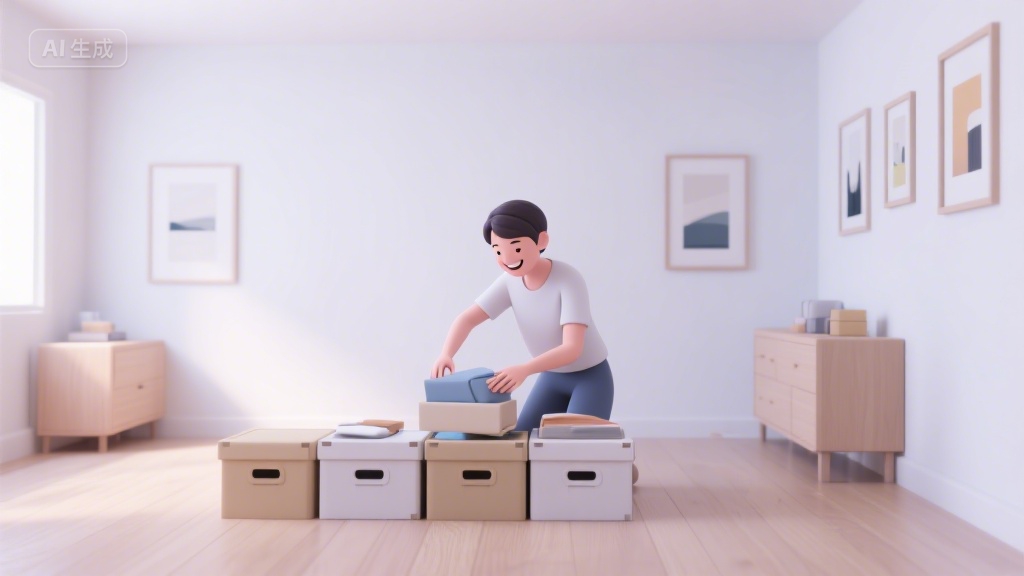
At the core of this lifestyle is minimalism—not the stark, empty rooms often portrayed in media, but a conscious choice to prioritize quality over quantity. It’s clearing out your closet and keeping only the clothes that bring you joy and fit well, instead of holding onto items “just in case.” It’s unsubscribing from endless email newsletters and social media accounts that leave you feeling anxious or inadequate, and instead curating a digital space that inspires and connects. It’s saying “no” to social obligations that drain you, so you can say “yes” to the moments that feed your soul—whether that’s a quiet evening with a book, a long walk with a friend, or a weekend getaway to a place you love. Minimalism isn’t about having nothing; it’s about having exactly what you need, and letting go of the rest to make room for peace, focus, and joy.
Another key element is the power of small rituals to ground us in the present. In a world that’s always rushing, rituals remind us to slow down and savor life’s simple pleasures. It’s brewing a cup of tea each morning using your favorite mug, and taking five minutes to sit quietly and appreciate the warmth and flavor before starting your day. It’s writing down three things you’re grateful for each night, even on the hardest days, to shift your focus from what’s lacking to what’s abundant. It’s having a weekly “family night” where you put away phones, cook together, and share stories—no distractions, just connection. These small, consistent acts don’t take much time or effort, but they have a profound impact on our well-being. They turn ordinary days into something special, and remind us that happiness is found in the journey, not just the destination.
Self-care, too, takes on a deeper meaning in this lifestyle—not the fleeting indulgences of face masks and bubble baths (though those have their place), but a holistic practice of nurturing your mind, body, and soul. It’s setting boundaries to protect your energy: saying “no” to work requests that exceed your capacity, or stepping away from toxic relationships that leave you feeling drained. It’s moving your body in a way that feels good, whether that’s yoga, dancing, hiking, or simply stretching for 10 minutes a day—no pressure to “perform” or meet a fitness goal. It’s giving yourself permission to rest: taking a nap when you’re tired, or spending a Sunday doing absolutely nothing productive. Self-care here is about treating yourself with the same kindness and compassion you’d offer a friend, recognizing that you can’t pour from an empty cup.
Perhaps the most transformative part of this lifestyle is its focus on intentionality. Every choice—from what you buy to how you spend your time—is made with purpose. It’s asking yourself: “Does this bring me joy? Does it align with my values? Does it help me grow?” before making a decision. It’s being mindful of your consumption: choosing to buy from ethical brands that treat their workers fairly and respect the planet, or shopping secondhand to reduce waste. It’s being present in every moment, instead of scrolling through your phone while eating dinner or thinking about tomorrow while spending time with loved ones. Intentionality turns passive living into active creating—you become the author of your life, rather than letting circumstances or societal expectations dictate your path.
In a culture that often equates “busy” with “important,” choosing a lifestyle of simplicity can feel rebellious. But it’s a rebellion rooted in self-love and clarity. It’s recognizing that you don’t need to do it all, have it all, or be it all to live a rich and fulfilling life. What you need is to focus on the things that truly matter to you—whether that’s your relationships, your passions, your health, or your sense of purpose.
At the end of the day, this lifestyle is about freedom: freedom from clutter, freedom from overwhelm, freedom from the pressure to conform. It’s about living a life that feels light, intentional, and true. It’s not about perfection—there will be days when you overcommit, buy something you don’t need, or forget to practice gratitude. But it’s about coming back to your values, again and again, and making choices that align with the life you want to live.
So take a step back. Clear out the clutter—both physical and mental. Cultivate small rituals that bring you joy. Nurture yourself with intention. And remember: less is often more. More space, more peace, more time for the people and things that make life worth living. In a world that’s always pushing for more, choosing less might just be the most meaningful choice you can make.

You must be logged in to post a comment.