

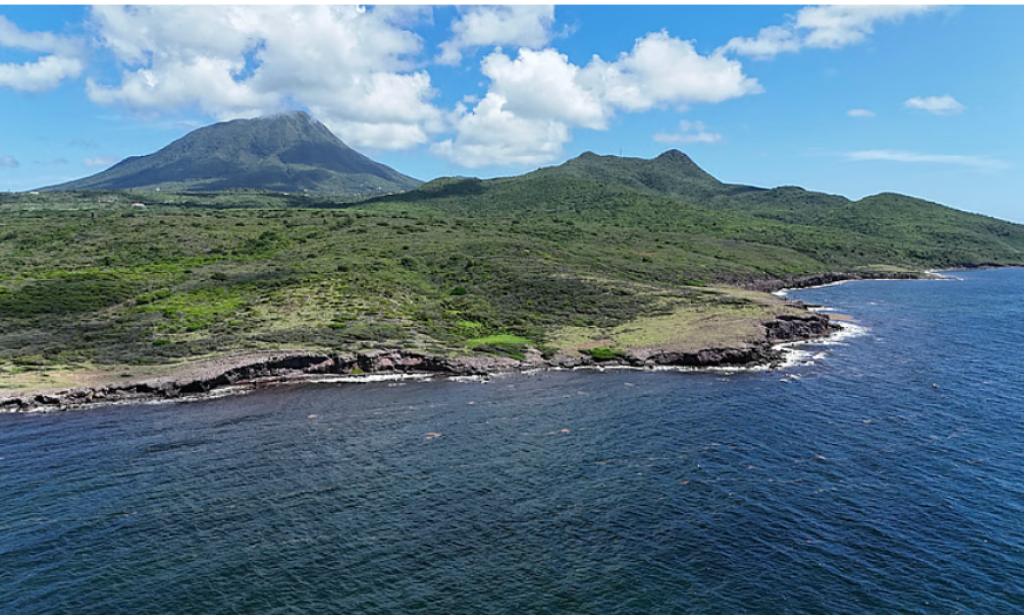

Nevis is carving out a distinctive identity within the Caribbean film landscape. The island is becoming a place where stories are nurtured thoughtfully, talent is cultivated locally, and filmmakers are encouraged to engage deeply with the culture that surrounds them. In doing so, Nevis is redefining what it means to be a film destination, not simply as a backdrop for production, but as an active creative partner in the storytelling process.
That distinction matters in a global industry facing rising costs, audience fragmentation, and increasing demand for authenticity. As filmmakers look beyond traditional production centers, regions that offer both practical support and cultural depth are becoming increasingly attractive.
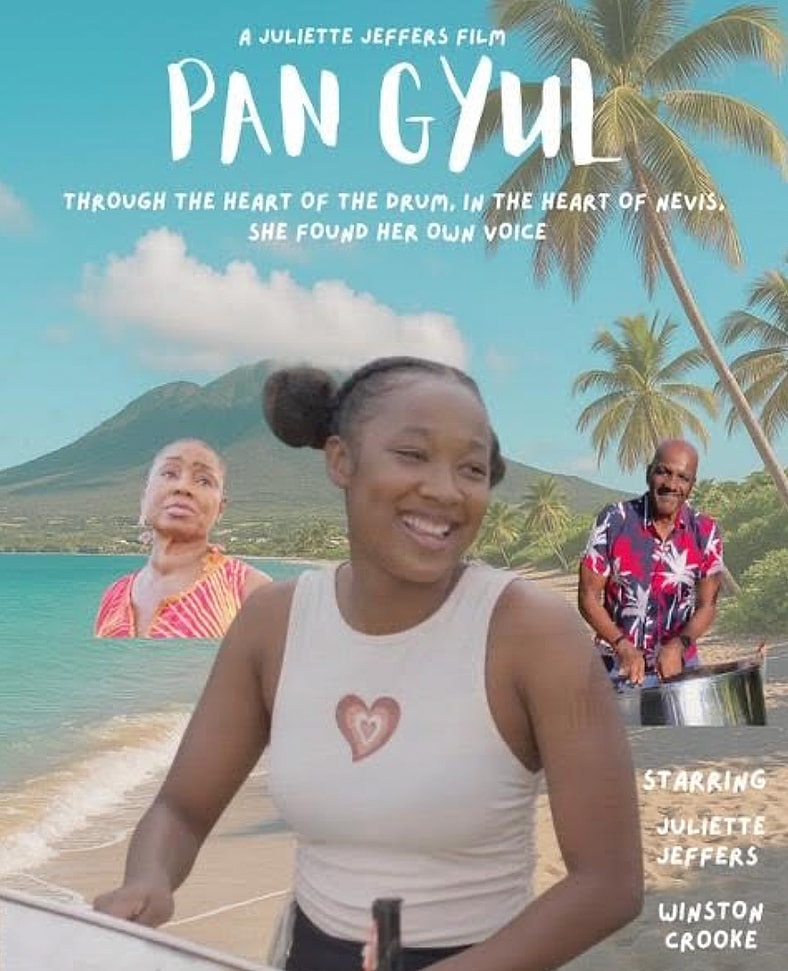
The film “Pan Gyul”, set entirely on Nevis and made with a largely Nevisian cast and crew, represents a different kind of milestone. Rather than chasing scale or volume, Nevis is taking a measured approach to filmmaking, one focused on building talent, supporting culturally specific stories, and creating an ecosystem that can sustain itself over time.
A Film Rooted in Cultural Reality
Pan Gyul follows Roshan, a young girl determined to learn the steel pan, an instrument closely tied to Caribbean identity and traditionally dominated by men. Her journey unfolds within the intimate dynamics of family, particularly her relationship with her father and brothers, whose connection to the instrument predates her own ambitions.
For Martin, Pan Gyul represents a defining moment in that process. “The World Premiere of Pan Gyul marks a defining moment for Nevis’ emerging film sector,” she said. “We are proud to stand alongside Ms. Jeffers in bringing this project to the screen and even prouder to see so many local actors and creatives represented.”
She emphasized the importance of authorship and place in the island’s filmmaking future.
“To witness our stories told by our people, on our soil, was truly powerful. This premiere reflects the immense talent on our island and reinforces our commitment to nurturing a sustainable and thriving film industry in Nevis.”
This philosophy recognizes a reality many emerging film regions face: without deliberate investment in people, production activity risks becoming transactional. Nevis’ model aims to avoid that pitfall by ensuring that knowledge, experience, and creative ownership remain on the island.
A Different Kind of Film Destination
Nevis is carving out a distinctive identity within the Caribbean film landscape, one shaped by intention rather than excess. The island is becoming a place where stories are nurtured thoughtfully, talent is cultivated locally, and filmmakers are encouraged to engage deeply with the culture that surrounds them. In doing so, Nevis is redefining what it means to be a film destination—not simply as a backdrop for production, but as an active creative partner in the storytelling process.Steel pan music is more than a creative choice for the film, it is central to its emotional structure. The instrument carries generations of cultural meaning across the Caribbean, symbolizing resistance, celebration, and community. In Pan Gyul, it also becomes a point of tension, forcing Roshan to navigate questions of gender, legacy, and self-expression.
Jeffers approaches these themes without exaggeration. The film resists the impulse to over-explain its cultural context or dramatize conflict for effect. Instead, it allows the audience to sit with small, recognizable moments, practice sessions, family conversations, unspoken frustrations, that feel drawn from lived experience. That restraint gives the film its credibility and emotional weight.
For Jeffers, bringing the film home was central to its meaning. “The premiere of Pan Gyul at NEPAC was everything I envisioned and more,” she said. “It was so beautiful to see my dream manifested on screen and to be able to share it with my people of St Kitts and Nevis was truly magical!”
Understanding Nevis Beyond the Postcard
For audiences unfamiliar with Nevis, its emergence as a filmmaking destination may come as a surprise. Located in the northern Lesser Antilles, Nevis spans just 36 square miles but offers remarkable geographic range: beaches with both black and golden sand.
But Nevis’ ambitions extend beyond scenery. The island’s leadership has made a conscious decision to treat the arts and film in particular, as a strategic investment rather than an afterthought.
Leadership and Long-Term Vision
Premier Mark Brantley has been a visible and consistent advocate for the artistic community throughout his tenure. His support spans music, theater, heritage preservation, and creative education, with film increasingly positioned as a key component of Nevis’ economic and cultural future.
That commitment became especially clear during the Covid-19 pandemic, when the government choose to invest in film as a means of economic diversification and skills development. As Brantley has stated: “During the height of the Covid-19 pandemic, the government of Nevis took the bold decision to invest in a film industry as an effort both to diversify the local economy and expose local talent to the world of film.”
He pointed to Pan Gyul as a tangible outcome of that strategy. “Pan Gyul is an excellent example of local talent coming to the fore as it featured nearly an entirely Nevisian cast and crew. Pan Gyul for me exemplifies the Nevisian spirit and what is possible when we dare to dream big dreams.”
The emphasis on local participation is not incidental. It reflects a broader understanding that sustainable film industries are built not through one-off productions, but through repeated opportunities that allow talent to grow and remain rooted at home.
Institutional Support for Local Storytellers
The Nevis Film Commission has been central to shaping this environment. Under the leadership of Film Commissioner Pamela Martin, the commission has prioritized projects that reflect local voices and build long-term creative capacity.
That distinction matters in a global industry facing rising costs, audience fragmentation, and increasing demand for authenticity. As filmmakers look beyond traditional production centers, regions that offer both practical support and cultural depth are becoming increasingly attractive.
Why Pan Gyul Matters
While Pan Gyul is deeply rooted in a specific place and tradition, its themes are widely relatable. The film’s exploration of identity, gender expectations, and generational change resonates far beyond the Caribbean. Its power lies in its specificity, a reminder that stories grounded in local truth often travel the furthest.
For Nevis, the film serves as a clear signal of intent. It demonstrates that meaningful, professionally produced work can originate on the island, shaped by its people and reflective of its culture. That message is as important for local creatives as it is for international collaborators considering where and how to make their next projects.

You must be logged in to post a comment.