


Introduction
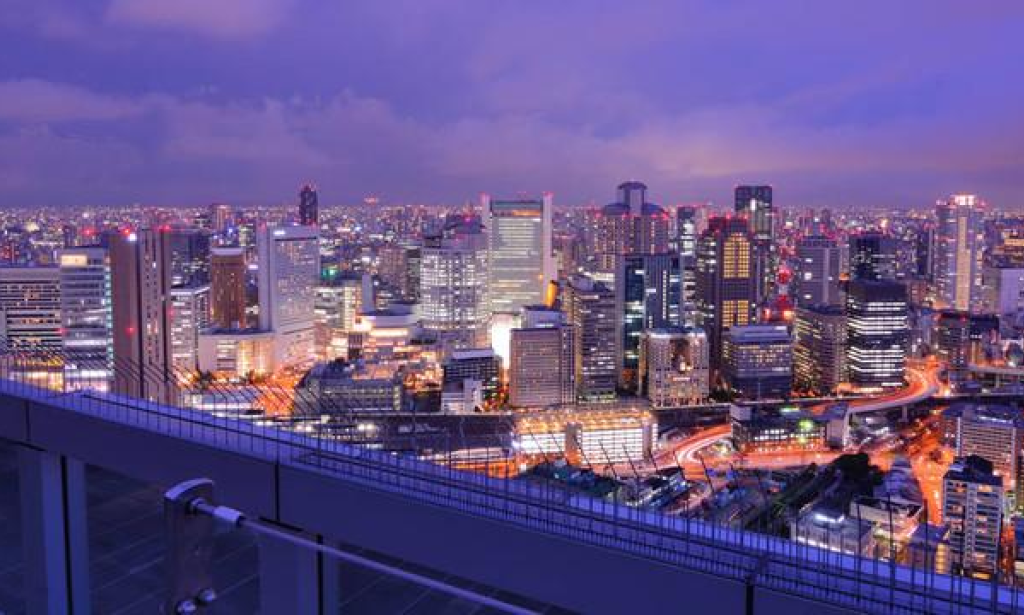
Osaka, the vibrant heart of Japan's Kansai region, is a city that effortlessly blends the old with the new. It's a place where ancient temples stand in harmony with modern skyscrapers, and traditional street food stalls coexist with high - end restaurants. As one of Japan's major metropolises, Osaka offers a unique travel experience that is both authentically Japanese and refreshingly cosmopolitan. Whether you're a food lover, a history buff, or an adventure seeker, Osaka has something special in store for you. So, fasten your seatbelts as we embark on a journey through the best that Osaka has to offer!
Getting There
By Air
The primary gateways to Osaka are Kansai International Airport and Itami Airport. Kansai International Airport, located on an artificial island in the Osaka Bay, serves as a major international hub, welcoming flights from all over the world. It offers a wide range of flight options, making it convenient for travelers from different regions. For example, there are numerous direct flights from major Asian cities like Shanghai, Seoul, and Hong Kong.
Itami Airport, on the other hand, mainly handles domestic flights within Japan, but it also has some limited international routes. If you're traveling from within Japan or from nearby Asian countries with specific flight connections, flying into Itami Airport can be a more time - efficient option, especially if you're already familiar with the local transportation network.
From the Airport to the City
Once you land, getting to the city center is a breeze.
• Airport Buses: These are a convenient option, especially if you're traveling with a lot of luggage. They offer direct routes to various key locations in Osaka, such as Osaka Station, Namba, and Umeda. The buses are comfortable, with spacious luggage storage areas. For instance, the Limousine Bus service operates regular schedules, and you can easily find the bus stops at the airport. The journey usually takes around 50 - 90 minutes, depending on traffic and your destination in the city.
• Subway and Trains: Osaka has an extensive subway and train network that connects the airports to the city. The Nankai Railway is a great choice if you're heading to Namba or areas around Dotonbori and Shinsaibashi. Their express trains can get you to Namba in as little as 30 - 40 minutes. If you're going to Umeda or areas around Osaka Station, the JR West trains are a reliable option. The Haruka limited - express train not only offers a fast journey but also provides beautiful views along the way. You can purchase tickets at the train stations' ticket counters or vending machines, and some passes, like the ICOCA card, offer added convenience for multiple trips.
• Taxis: While taxis are the most expensive way to get to the city, they are also the most convenient, especially if you're traveling in a group or have a lot of heavy luggage. Taxis are readily available at the airport taxi stands, and the drivers are usually professional and can take you directly to your destination. However, be prepared for a relatively high fare, especially during peak traffic hours.
Accommodation Recommendations
In the Dotonbori and Shinsaibashi Area
• Advantages: Staying near Dotonbori and Shinsaibashi is a dream for shopaholics and foodies. You're just steps away from the famous Dotonbori Glico Sign, the Ebisu Bridge, and countless restaurants serving up Osaka's iconic street food like takoyaki and okonomiyaki. The area is bustling with energy day and night, and the shopping opportunities are endless, from high - end brands in Shinsaibashi to trendy fashion stores in Amerika Mura (Osaka's answer to Tokyo's Harajuku). For example, the Shinsaibashi Shopping Arcade stretches for over 2 kilometers, filled with both international and local brands.
• Disadvantages: The high - demand location means that accommodation can be relatively expensive, especially during peak tourist seasons. Also, the constant noise and crowds can be overwhelming for those who prefer a quieter environment.
• Hotel Recommendations:
◦ Hotel Monterey La Soeur Osaka: This hotel offers a blend of French - style elegance and Japanese hospitality. It features well - appointed rooms with modern amenities. The location is unbeatable, just a short walk from Dotonbori. Rates start from around $150 per night, and it often offers packages that include breakfast and access to local attractions.
◦ The Ritz - Carlton, Osaka: A luxury option in the area, it provides world - class service, spacious rooms with stunning city views, and a range of high - end facilities like a spa and multiple dining options. However, it comes at a higher price, with rooms starting from around $400 per night.
In the Umeda (Meida) Area
• Advantages: Umeda is Osaka's major transportation hub, with multiple subway lines, JR lines, and bus terminals converging here. This makes it extremely convenient to travel to other parts of Osaka, as well as to nearby cities like Kyoto and Kobe. It's also a great place for shopping, with large department stores such as Isetan and Hankyu, and modern shopping complexes like Grand Front Osaka.
• Disadvantages: Similar to the Dotonbori area, the central location can result in higher accommodation costs. The area can also be quite crowded, especially during rush hours.
• Hotel Recommendations:
◦ Hotel Granvia Osaka: This hotel is directly connected to Osaka Station, offering easy access to transportation. It has a variety of room types to suit different budgets, with prices starting from approximately $120 per night. The hotel also features several restaurants and a fitness center.
◦ Canopy by Hilton Osaka Umeda: A relatively new addition to the area, it offers a modern and stylish stay. The hotel's design is inspired by Osaka's local culture, and it provides amenities like a 24 - hour fitness center, a rooftop bar with great views of the city skyline, and a shared bicycle service. Rooms start from around $180 per night.
Top Attractions
Japan Universal Studios
Japan Universal Studios (USJ) is a must - visit destination in Osaka. It's a world - class theme park that offers a thrilling experience for visitors of all ages.
• Thrilling Rides: The park features a wide range of exciting rides. For example, the "Harry Potter and the Forbidden Journey" allows you to soar through the magical world of Harry Potter, with amazing special effects that make you feel like you're flying on a broomstick. The "Hollywood Dream - The Ride" is another popular choice, where you can enjoy a high - speed roller - coaster ride while listening to your favorite music. And if you're a fan of the "Jurassic Park" series, the "Jurassic Park: The Ride" will take you on an adventure through the prehistoric world, complete with a heart - stopping drop at the end.
• Unique Shows: USJ also offers various unique shows. The "One Piece Live Action Show" brings the popular anime to life with energetic performances, amazing choreography, and stunning stage designs. There are also character - meet - and - greet sessions, where you can take photos with your favorite Universal Studios characters like Minions, Hello Kitty, and Sesame Street characters.
• Themed Zones: The park is divided into different themed zones. The "Super Nintendo World" is a paradise for Nintendo fans, where you can experience the world of Mario and his friends in a real - life setting. You can ride the "Mario Kart: Koopa's Challenge" and feel like you're in a real - life Mario Kart race. The "Minions Park" is full of cute and funny Minions, with rides and attractions that are perfect for families and kids.
• Tips for Visiting: Consider buying a Fast Pass, especially if you're visiting during peak seasons. This can significantly reduce your waiting time for popular rides. You can purchase it in advance on the official USJ website or through authorized ticketing platforms. When queuing, try to use the single - rider lines if you don't mind not sitting with your group. This option usually has a much shorter waiting time. Also, make sure to check the park's official app for the latest information on ride wait times, show schedules, and special events.
Dotonbori
Dotonbori is the beating heart of Osaka's entertainment and food scene, a place that comes alive day and night.
• Iconic Sights: The most famous sight in Dotonbori is the giant Glico Running Man billboard. This neon - lit sign has become an iconic symbol of Osaka, and it's a must - take photo spot. The Ebisu Bridge, which offers great views of the Dotonbori canal, is another popular location. Along the canal, you can see many boats passing by, and there are also water - side restaurants where you can enjoy a meal with a view.
• Food and Shopping: Dotonbori is a food lover's paradise. There are countless restaurants and street - food stalls serving up Osaka's famous dishes. You can try takoyaki, octopus - filled balls of batter cooked on a special griddle and served with a variety of sauces. Okonomiyaki, a savory pancake filled with ingredients like meat, seafood, and vegetables, is another local specialty. For shopping, there are many unique stores selling everything from traditional Japanese handicrafts to trendy fashion items. You can also find shops that sell delicious Japanese snacks and sweets, perfect for souvenirs.
• Nighttime Charm: At night, Dotonbori transforms into a dazzling wonderland. The neon lights from the billboards and storefronts light up the canal, creating a magical atmosphere. Taking a boat tour along the canal at night is a great way to soak in the scenery. The lively music, chatter from the restaurants, and the colorful lights make it a truly unforgettable experience.
Osaka Castle
Osaka Castle is not just a historical landmark but also a symbol of Osaka's rich past.
• Historical Significance: Built in the 16th century by Toyotomi Hideyoshi, Osaka Castle played a crucial role in Japan's history. It was once one of the largest and most powerful castles in Japan, and it witnessed many important battles and political events. The castle's construction was a massive undertaking, using large stones that were transported from all over Japan.
• Architectural Features: The main keep, or the donjon, of Osaka Castle is an impressive sight. Standing at a height of several stories, it offers panoramic views of the city. The castle's architecture combines traditional Japanese elements with defensive features, such as thick stone walls and moats. Inside the keep, there is a museum where you can learn about the history of the castle and the life of the samurai through exhibits of historical artifacts, paintings, and interactive displays.
• Park and Surroundings: The castle is surrounded by a large park, Osaka Castle Park. The park is a great place to relax and enjoy nature. In spring, the park is filled with cherry blossoms, attracting thousands of visitors who come to enjoy the hanami (cherry - blossom viewing) tradition. In other seasons, the park offers beautiful scenery with its well - maintained gardens, ponds, and walking paths. You can also see locals practicing traditional Japanese sports like archery or flying kites in the park, adding to the cultural charm of the place.
Shopping Spots
Shinsaibashi
Shinsaibashi is Osaka's premier shopping destination, a shopper's paradise that caters to all tastes and budgets. The area is a vibrant blend of international luxury brands and trendy Japanese fashion labels. The Shinsaibashi Shopping Arcade, with its covered walkways, is lined with stores that offer everything from high - end fashion items to unique local handicrafts.
For luxury shopping, you can find international brands like Gucci, Prada, and Chanel. These stores often feature their latest collections, and the shopping experience is enhanced by the attentive service. If you're into Japanese fashion, there are numerous local brands to explore. Brands like Uniqlo offer high - quality, affordable clothing with a touch of Japanese minimalism. You can also discover emerging Japanese designers in smaller, independent boutiques.
In addition to fashion, Shinsaibashi is a great place to stock up on beauty products. There are many well - known drugstores such as Matsumoto Kiyoshi and Sugi Pharmacy. Here, you can find a wide range of Japanese skincare and makeup products at reasonable prices. Some stores even offer tax - free shopping for international tourists, so don't forget to bring your passport.
One of the popular shops in Shinsaibashi is the Bape Store. This street - wear brand is globally famous, and their Osaka store often has exclusive items. Another must - visit is the Loft, a lifestyle store that sells everything from cute stationery to home decor. It's a great place to find unique souvenirs or gifts.
Namba Walks
Namba Walks provides a unique shopping experience that goes beyond just retail therapy. It's an underground shopping complex that is home to a diverse range of stores, restaurants, and entertainment facilities.
The shopping options at Namba Walks are quite diverse. There are fashion stores that offer the latest trends in street - wear and casual fashion. You can also find stores selling accessories, like handmade jewelry and stylish handbags. For those interested in Japanese pop culture, there are shops that sell anime merchandise, music CDs, and manga.
When it comes to dining, Namba Walks has a plethora of options. From local Japanese cuisine like sushi and tempura to international favorites such as Italian pasta and American burgers, there's something to satisfy every palate. There are also many cafes where you can take a break and enjoy a cup of coffee or a sweet treat.
In terms of entertainment, Namba Walks often hosts events, such as live music performances or art exhibitions. It's a great place to soak up the local culture and have a fun time. If you're traveling with kids, there are also some family - friendly attractions, like small amusement areas. The complex is easily accessible from the Namba subway station, making it a convenient stop during your Osaka exploration.
Must - try Foods
Takoyaki
Takoyaki, also known as octopus balls, is a quintessential Osaka street food that you simply can't miss. These small, round balls of batter are filled with chunks of fresh octopus, along with bits of green onion, ginger, and sometimes tempura scraps.
The making process of takoyaki is quite fascinating. First, a special takoyaki pan, which has numerous round cavities, is heated up. Then, the batter, made from a mixture of flour, water, eggs, and dashi (a Japanese soup stock), is poured into the cavities until they are about half - full. A piece of octopus, along with the other ingredients, is placed in each cavity, and then more batter is added to fill them up completely. As the takoyaki cooks, the vendor uses small skewers to rotate them, shaping them into perfect spheres. The result is a crispy outer shell and a soft, fluffy interior, with the tender octopus providing a delightful chewy contrast.
When it comes to trying takoyaki in Osaka, there are several great places to visit. Umai - ya (うまい屋) in the Kita - ku area is a must - go. With a history of about 60 years, their takoyaki is famous for its crispy exterior and soft interior. They recommend trying the original flavor without any additional seasonings, allowing you to savor the pure taste of the takoyaki. Another great option is Aiduya (会津屋), which is considered the pioneer of takoyaki. Their takoyaki is of top - notch quality, and they offer different sizes and flavors. The Radio yaki, their original takoyaki, is a signature item that you should definitely give a try.
The best way to enjoy takoyaki is right after it's cooked. Use a toothpick to pick up a takoyaki, and take a small bite to let the steam escape to avoid burning your mouth. As you chew, you can taste the savory batter, the fresh octopus, and the fragrant seasonings. The combination of the crispy outside and the soft inside, along with the various toppings like takoyaki sauce, mayonnaise, seaweed, and bonito flakes, creates a flavor explosion in your mouth.
Okonomiyaki
Okonomiyaki, often referred to as "Japanese savory pancakes," is another iconic Osaka dish. The name "okonomiyaki" literally means "grilled as you like," and that's exactly what it is. It's a customizable dish where you can choose from a variety of ingredients such as shredded cabbage, meat (like pork, beef, or bacon), seafood (shrimp, squid, or octopus), eggs, and various vegetables like onions and carrots.
The base of an okonomiyaki is a batter made from flour, water, and eggs, which is poured onto a hot griddle. The chosen ingredients are then added on top, and the whole thing is cooked until the bottom is crispy and the top is set. Once cooked, it's typically slathered with a sweet - savory okonomiyaki sauce, a drizzle of mayonnaise, and topped with dried bonito flakes and seaweed powder. The bonito flakes move with the heat from the okonomiyaki, creating an interesting visual effect.
In Osaka's food culture, okonomiyaki holds a special place. It's a dish that can be enjoyed at any time of the day, whether as a quick snack or a full meal. It's also a popular dish to share with friends and family at restaurants, where you can often watch the chefs cook the okonomiyaki right in front of you on a large teppanyaki - style grill.
If you want to taste the best okonomiyaki in Osaka, head to Chibo (千房). This well - known chain has been around since 1973 and is famous for its large - sized, thick okonomiyaki. Their signature dish, the Chibo - yaki, comes with a whole large shrimp on top, and the combination of ingredients and the rich, slightly sweet sauce makes it a favorite among locals and tourists alike. Another great place is Kiji in the Umeda area. This cozy restaurant is known for its fluffy okonomiyaki. They use high - quality ingredients, and their sauce has a unique flavor that sets them apart. Whether you're a fan of seafood, meat, or a vegetarian option, Kiji has an okonomiyaki to suit your taste.
Transportation in Osaka
Osaka has an extensive and efficient transportation network that makes getting around the city a breeze. Here are the main transportation options:
Subway
The Osaka subway system is one of the most convenient ways to travel within the city. It has 9 lines that cover almost all the major attractions and areas in Osaka. For example, the Midosuji Line, which is the most frequently used line, runs through the city center, connecting important areas like Umeda, Shinsaibashi, Namba, and Tennoji.
The subway operates from early morning until around midnight. Ticket prices vary depending on the distance you travel, starting from 180 yen. However, if you plan to use the subway frequently, consider purchasing a prepaid card like the ICOCA card, which we will introduce later.
Buses
Osaka's bus network is also well - developed, covering various parts of the city. The buses are clearly marked with their routes and destinations, making it easy for passengers to identify. The fare for city - run buses is 210 yen for a single - ride, while some district - run buses may have a different fare structure.
Buses are a great option if you want to explore areas that are not as easily accessible by subway. They also offer a different perspective of the city as you can enjoy the scenery along the way. However, be aware that bus schedules may be affected by traffic, especially during peak hours.
JR Lines
JR (Japan Railways) lines play a crucial role in Osaka's transportation system, especially for longer - distance travel within the city and to neighboring areas. The JR Osaka Loop Line circles the city center, passing through major stations such as Osaka Station, Namba, and Tennoji. This line is very convenient for tourists as it connects many of the city's key attractions.
JR lines also provide access to other cities in the Kansai region. For instance, you can take the JR line to Kyoto, Kobe, or Nara. Tickets for JR trains can be purchased at the station ticket counters or vending machines.
ICOCA Card
To save money and enjoy a more convenient travel experience in Osaka, getting an ICOCA card is highly recommended. The ICOCA card is a rechargeable transportation card issued by JR West. It can be used on various transportation means in Osaka, including subways, buses, JR lines, and even some private railways.
You can purchase an ICOCA card at JR West stations, such as Osaka Station, Shin - Osaka Station, and Kansai International Airport. The card costs 2,000 yen, which includes a 500 - yen refundable deposit and 1,500 yen of usable value. You can recharge the card in increments of 1,000 yen, up to a maximum balance of 20,000 yen.
When you use the ICOCA card, simply touch it on the card reader at the entrance and exit of stations or on the bus fare box. It deducts the appropriate fare automatically, eliminating the need to buy individual tickets every time you travel. When you leave Japan, you can return the ICOCA card at JR West stations and get back the remaining balance and the 500 - yen deposit, minus a 220 - yen handling fee if you have used the card.
Transportation Route Planning
Before your trip, it's a good idea to plan your transportation routes in advance. You can use apps like Google Maps, which provide detailed information on subway, bus, and train routes, including schedules, transfer information, and estimated travel times. Another useful app is Japan Transit Planner, which is specifically designed for planning transportation in Japan.
When planning your routes, consider the time of day. Rush hours in Osaka, typically from 7 - 9 am and 5 - 7 pm on weekdays, can be very crowded on public transportation. If possible, try to avoid traveling during these peak times to make your journey more comfortable. Also, keep in mind that some attractions may be more easily accessible by a certain mode of transportation. For example, if you're visiting Osaka Castle, you can take the subway to the nearest station and then enjoy a short walk through the park to reach the castle.
Tips for Travelers
Etiquette
• Bowing: Bowing is a fundamental part of Japanese etiquette. A simple bow of about 15 degrees is suitable for casual greetings, while a deeper bow of 30 - 45 degrees is more appropriate in formal situations, such as when meeting business associates or in traditional tea ceremonies.
• Taking Off Shoes: In many Japanese homes, traditional restaurants, and some temples, it's customary to remove your shoes before entering. There will usually be a designated area for shoe storage. Make sure to place your shoes neatly, with the toes facing the exit.
• Table Manners: When eating, slurp your noodles audibly as it's considered a sign of enjoyment. Use chopsticks correctly; never stick them upright in your rice as it resembles a funeral ritual. Passing food directly from chopstick to chopstick is also taboo, as this is done during cremation rituals.
Shopping Tax Refund
• Eligibility: If you're a non - resident of Japan and make purchases of 5,000 yen or more (excluding tax) at tax - free shops, you may be eligible for a consumption tax refund. The consumption tax in Japan is currently 10%.
• Procedure: At the store, look for the tax - free sign. When making a purchase, present your passport to the cashier. They will usually fill out a tax - refund form and either refund the tax amount immediately, or provide you with a form to claim the refund at the airport. If you're claiming the refund at the airport, make sure to keep your purchases in their original packaging and present them along with the tax - refund form at the customs counter.
Weather and Seasonal Considerations
• Spring (March to May): Spring is cherry - blossom season, which is a beautiful time to visit Osaka. However, it's also a very popular time, so expect large crowds at places like Osaka Castle Park. The weather is generally mild, with temperatures ranging from 10 - 20°C. Pack light layers, as the days can be warm, but the evenings can still be a bit chilly.
• Summer (June to August): Summer in Osaka can be hot and humid, with temperatures often reaching 30°C or higher. It's also the rainy season from June to early July, so don't forget to bring an umbrella. This is a great time for festivals, but be prepared for the heat and potential typhoons towards the end of the season.
• Autumn (September to November): Autumn offers pleasant weather, with temperatures dropping back to a comfortable 15 - 25°C. The leaves change color, creating a beautiful backdrop for sightseeing. It's a good time to visit gardens and temples.
• Winter (December to February): Winters in Osaka are relatively mild compared to other parts of Japan, with temperatures rarely dropping below 0°C. However, it can be quite cold, especially in the evenings. This is a quieter time for tourism, and you can enjoy the city's attractions with fewer crowds.
Conclusion
Osaka, with its blend of thrilling attractions, mouth - watering cuisine, and rich cultural heritage, offers a travel experience like no other. Whether you're riding the exciting rides at Universal Studios, indulging in delicious takoyaki by the Dotonbori canal, or exploring the historical Osaka Castle, every moment in Osaka is filled with wonder.
So, what are you waiting for? Plan your trip to Osaka today and create memories that will last a lifetime. Whether you're a first - time traveler or a seasoned globetrotter, Osaka has something special to offer you. Get ready to be charmed by the city's unique blend of tradition and modernity, and embark on an unforgettable adventure in the heart of Japan's Kansai region.

You must be logged in to post a comment.