


Last year, a measles outbreak swept across the United States, with case numbers reaching record highs. Scott Thorpe closely monitored Spartanburg County, South Carolina.
Located in northern South Carolina at the foot of the Appalachian Mountains, Spartanburg County has particularly low vaccination rates in some areas.
Thorpe is the executive director of the Southern Public Health Leadership Alliance, a nonprofit organization dedicated to improving health in the southern United States. He stated that the situation in Spartanburg County is not significantly different from many other parts of the country, especially given the continued decline in national vaccination rates. However, Spartanburg County experienced a measles outbreak approximately a decade ago, making it more vulnerable: over the past five school years, vaccination rates among school-aged children in the county have dropped from 95% to 90%.
Then, an outbreak occurred: the first measles cases appeared in the area last fall, and the South Carolina Department of Health declared an outbreak in early October. More than 300 measles cases have been reported in the past few months, and the outbreak shows no signs of slowing down.
The South Carolina Department of Public Health reported 99 new measles cases on Friday, bringing the state's total for the week to 125, a 68% surge in just one week.
Dr. Lena Bell, an epidemiologist with the South Carolina Department of Public Health and commander of the measles outbreak emergency response, said holiday activities are likely the main cause of the outbreak, especially in communities with low vaccination rates.
"The recent holiday season has been marked by school closures, family gatherings, religious services, and local and out-of-state travel," Bell said in a statement. "All of these potential public exposures increase the risk of measles transmission in outbreak areas, and all of these factors, coupled with low vaccination rates in the region, are likely contributing to the current surge."
The Centers for Disease Control and Prevention (CDC) releases updated national data every Wednesday, but in the past year, the agency has only reported more than 100 new cases in a single week on a few occasions: late March to early April 2025, during the peak of the outbreak in West Texas.
"As community transmission increases, it becomes increasingly difficult to accurately pinpoint the source of infection for all cases," Bell said at a press conference on Wednesday.
She added, "As community transmission worsens, we must recognize that we will ultimately not be able to have information on all cases." This concern is exacerbated by the loss of crucial communication channels between public health departments and communities after the holidays, with schools closed.
South Carolina's measles-mumps-rubella (MMR) vaccination rate is below the national average, with Spartanburg County having one of the lowest rates in the state. Local health officials say the looming measles outbreak has changed the minds of some previously hesitant parents, who now want to protect their children.
However, others remain firmly opposed to vaccination—even though measles has spread to their doorstep. While public health departments are taking steps to control the spread as much as possible, the increasing risk of exposure is making it increasingly difficult to contain the outbreak.
Thorpe suggested that the measles outbreak in South Carolina may have originated in a Ukrainian immigrant community in the Spartanburg area, where vaccination rates are typically low, but the outbreak has spread to a wider population in the region. A 2021 analysis by the Wilson Center (a nonpartisan foreign policy think tank) noted that "anti-vaccine sentiment is deeply ingrained in Ukrainian society." The report listed numerous possible factors contributing to this sentiment, but many trace back to the early 2010s when the Ukrainian government mishandled the storage and administration of routine vaccines, leading to complications in many children whose cases were initially covered up.
Bell stated that many cases in the current measles outbreak in South Carolina originated from contact at a local church. However, the outbreak continues to spread in the wider community, with some individuals having multiple contact points, and it remains unclear which contact led to infection. Public schools have been the primary source of transmission, with restaurants and stores also reporting cases of contact.
The vast majority of measles cases in South Carolina have occurred in children, almost all of whom are unvaccinated.
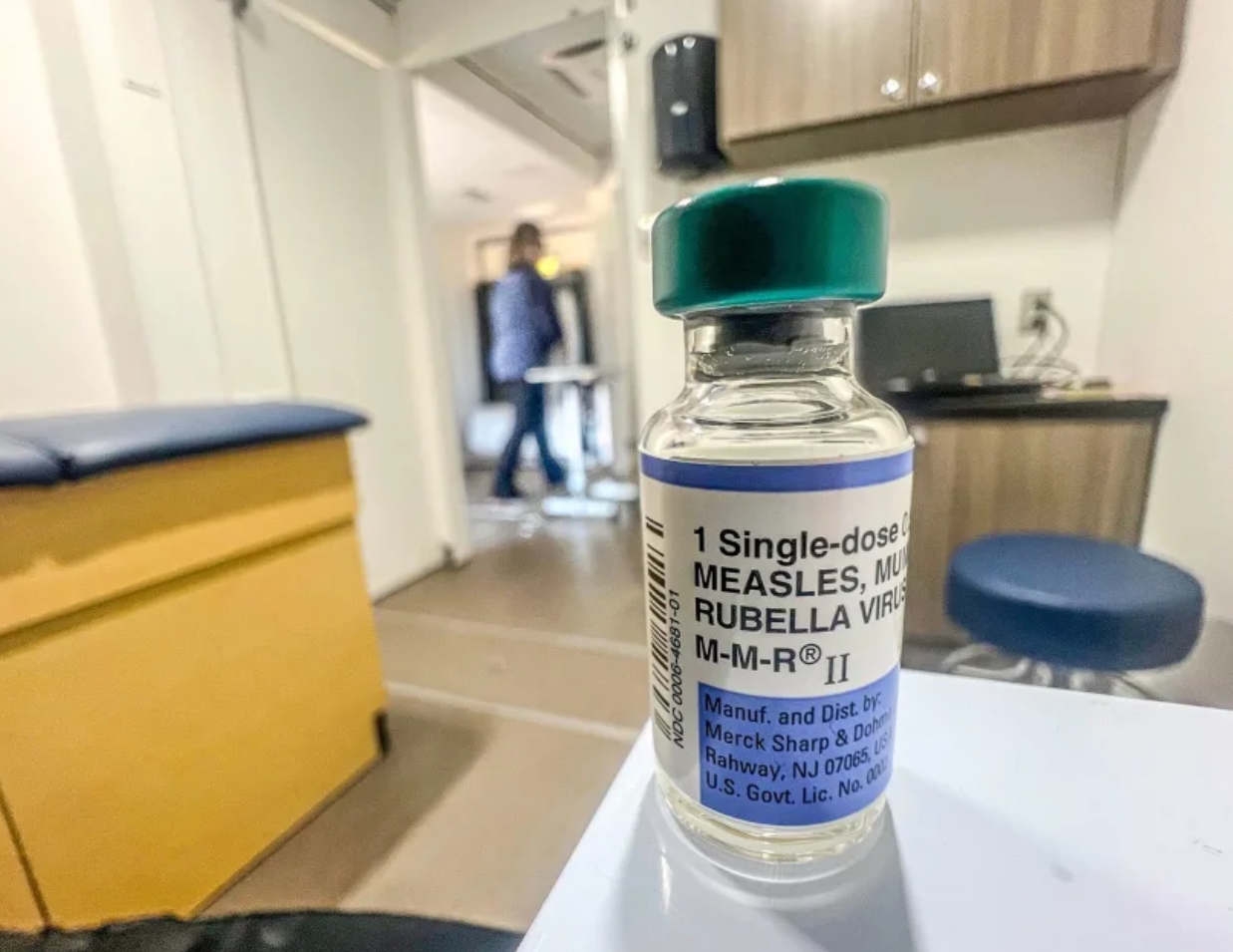
The state health department has consistently advocated that vaccination is the best defense. The department has established mobile vaccination clinics and continues to provide mobile medical vehicles to community partners interested in organizing vaccination events, but health officials say progress is slow.
"Currently, we need to increase the vaccination coverage of measles, mumps, and rubella vaccines to prevent outbreaks."

You must be logged in to post a comment.