

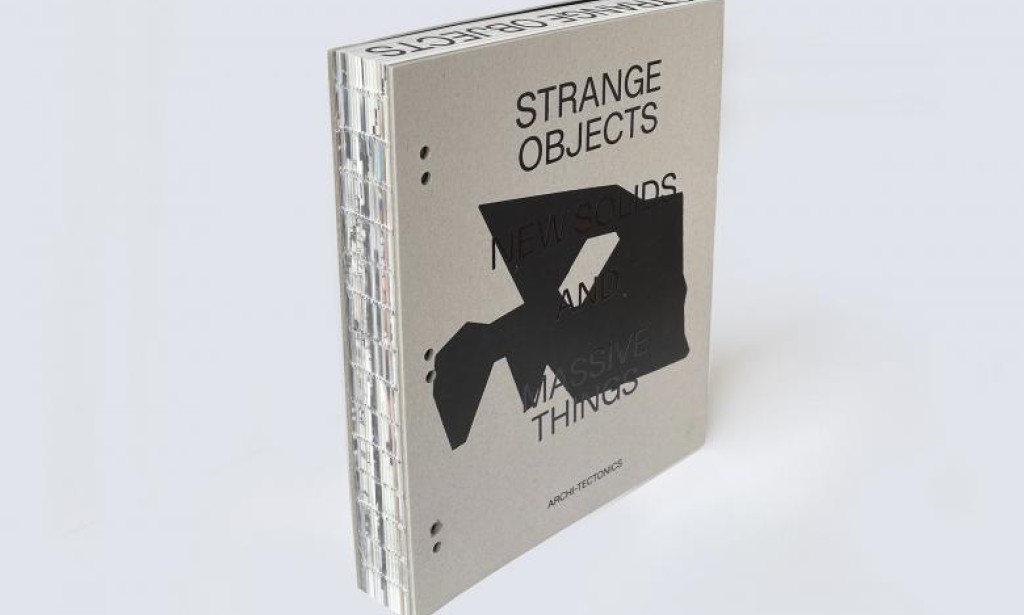

"Where does this Smooth Object originate? We have come to understand the becoming of the architectural body or object as a process of rigorous analysis and gradual solidification, with prototyping and feedback loops as essential tools in the generation and evaluation of emerging forms and efficiencies. The proto-body finds its place in this space of object becoming."
Winka Dubbeldam, "Smooth Objects" chapter intro
Although the book has a tripartite title — Strange Objects, New Solids and Massive Things — its three chapters take on different names, starting with "Smooth Objects." Three projects are documented in this chapter: Ports 1961 in Shanghai, Inscape Wellness in New York, and the Asian Games 2022 in Hangzhou. The first two are relatively small interior projects but are notable for being prototypes for potentially further extensive installations for the fashion and meditation brands. The third project, the masterplan and hybrid buildings for this year's Asian Games, is easily the largest project by Archi-Tectonics, carried out with !melk, Mobility in Chain, Thornton Tomasetti, and other consultants. Their competition-winning design located the stadiums and other buildings as "nodes for a fluid park landscape," incorporating the Sponge City concept across its 116 acres. Most important was giving the site a life for Hangzhou beyond the Asian Games, keeping it from becoming a "white elephant."
The book documents the project's three main parts: the Valley Village, the Table Tennis Stadium, and the Field Hockey Stadium. Basically the two stadiums are connected by the Valley Village, which, as its name indicates, is a mall sunken beneath the level of the surrounding landscape. The creation of a "valley" meandering across the large site was a departure from the competition requirements, which asked for the two stadiums in the middle of the park; in their winning scheme, the stadiums are moved apart from each other, in effect acting like magnets at opposite ends of the sunken mall. Formally, the indoor Table Tennis Stadium was inspired by "Cong" jade-stone artifacts that are prevalent in Hangzhou, while the outdoor Field Hockey Stadium was designed to be "a landscape sculpture." Photographs show the facilities nearing completion, though it won't be until when the 2022 Asian Games take place in September that the results of the collaborative process will be seen in their full glory.
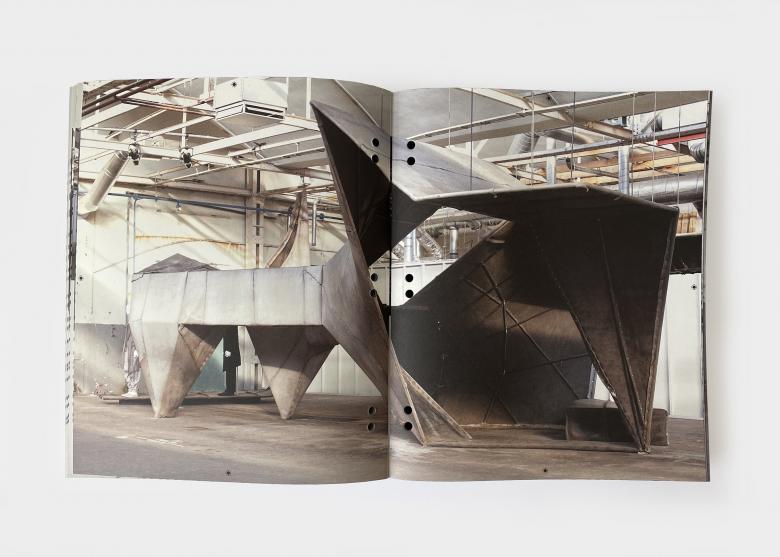
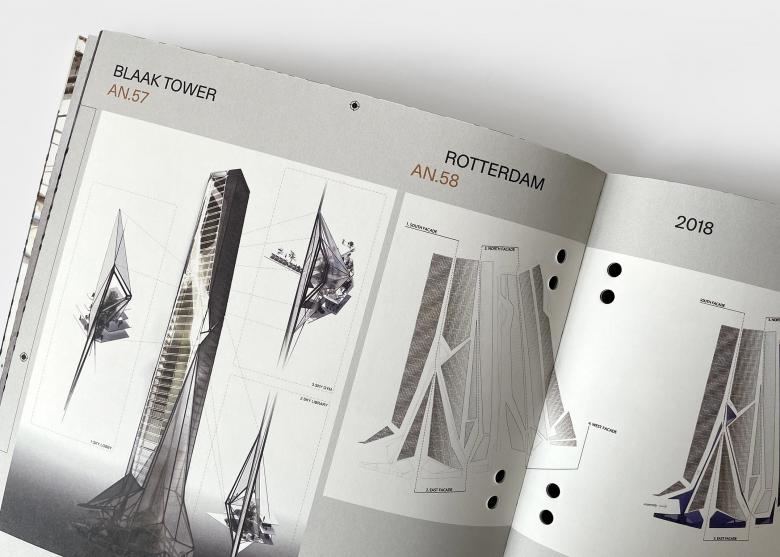
Anomalies

You must be logged in to post a comment.