



Image source: Robert Michael/dpa/picture alliance
(Deutsche Welle Chinese) The rapid development of artificial intelligence , Trump 's America First policy, and the Ukraine war : three words representing the biggest political and social changes of the moment have been selected in the competition for the word of the year in 2025.
The jury of the German Language Association unanimously selected "The Age of Artificial Intelligence" (KI-Ära) as the word of the year. The reason is that artificial intelligence has "stepped out of the ivory tower of scientific research and has been integrated into all aspects of life, thus ushering in a new era."
Artificial intelligence also harbors hidden risks
Whether it's web searching, creating animations from photos, or editing documents, more and more people are using artificial intelligence (AI) tools in their daily lives. AI-related words have been shortlisted for the annual vocabulary awards multiple times in recent years.
Language experts believe that while AI brings opportunities, it also carries the risk of misuse. Scholars say the danger of AI lies in the potential weakening of independent, critical thinking and expression. These linguists agree that AI will also impact the future development of the German language itself.


Trump-style "deals"
The second-ranked word of the year was "deal," a catchphrase of US President Donald Trump. Andrea Ewels, Director General of the German Linguistic Society, explained, "He always uses this word to showcase his success when it comes to trade, tariffs, and diplomatic agreements." He uses the word to demonstrate his executive power to his supporters. However, critics argue that it's all superficial and a publicity stunt.
The word "deal" is increasingly becoming a synonym for compromise, negotiation outcome, agreement, and treaty, and new expressions such as peace deals, hostage deals, and tariff deals have emerged.
Jochen Bär, president of the German Linguistic Society, stated that English loanwords in German have been a controversial topic for many years. He noted that criticism of the use of English loanwords seems to have subsided recently. He said, "The influence of English on German has not diminished; this trend will continue."
The third most popular word of the year relates to the Russia-Ukraine war.
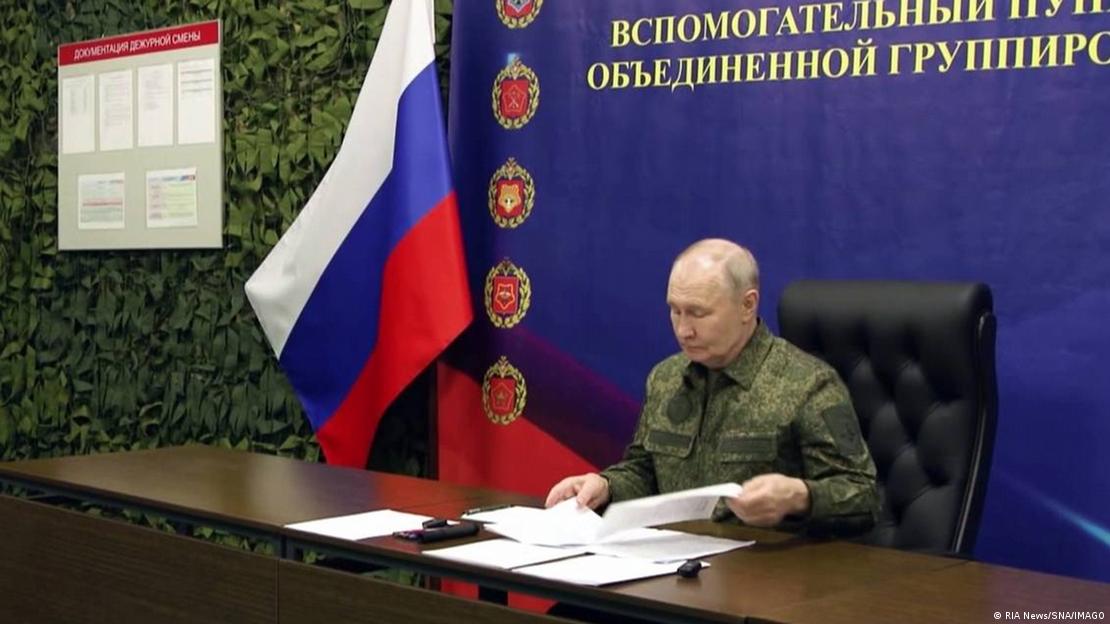
The third most popular word of the year is related to Russia's invasion of Ukraine: "Land for Peace" (Land gegen Frieden), specifically referring to the demand that Ukraine cede territory occupied by Russia in exchange for peace. Experts from the German Language Association point out that behind the phrase "Land for Peace" lies a form of coercion, essentially demanding surrender for peace .

Other terms included in the top ten words of the year were: special property (Sondervermögen) and "lottery-based conscription" (Wehrdienst-Lotto), a term coined during the Bundestag's discussions on conscription reform at the same time. Following closely behind was "drone-ization," a semi-sarcastic expression of NATO and Germany's plans to expand their military drone fleet. Other terms on the list included "punitive tariffs" (Strafzölle) and "loss of wealth" (Wohlstandsverlust).

You must be logged in to post a comment.