


1. The Birth of the Automobile: Early Experiments
The very first automobiles were experimental machines that relied on steam, electricity, and even manual labor. In the 1760s, Nicolas-Joseph Cugnot built the first known steam-powered vehicle, a large, cumbersome cart that could carry passengers but was hardly practical. It wasn't until the late 1800s that more successful prototypes emerged.
One of the most significant milestones in automobile history was the invention of the internal combustion engine. In 1885, Karl Benz introduced the Benz Patent-Motorwagen, widely regarded as the first true automobile powered by an internal combustion engine. This paved the way for modern cars.
Illustration #1: The First Automobile – Benz Patent-Motorwagen
This image could depict Karl Benz's original 1885 vehicle, with its distinctive three-wheeled design, large wooden wheels, and a small engine mounted on a frame. It would show a historical setting, perhaps with Benz himself or a period setting in the background.
2. Mass Production: The Ford Model T Revolution
In the early 20th century, Henry Ford revolutionized the automobile industry with the introduction of the Model T in 1908. The Model T was the first car to be mass-produced using assembly line techniques, making it affordable for the average American family. This transformation not only made cars more accessible but also changed the face of industrial manufacturing.
Ford's use of the assembly line drastically reduced production times and costs, allowing the automobile to become an integral part of modern society. By the end of the 1920s, millions of Model Ts were on the roads, and Ford had established the foundation for mass-market automotive production.
Illustration #2: The Ford Model T on the Assembly Line
This illustration could show workers assembling the Model T in Ford’s famous assembly line, emphasizing the process that revolutionized manufacturing. The cars being built on the conveyor belts would contrast the older, more handcrafted vehicles.
3. The Rise of Automotive Design and Performance
As technology progressed, so did the design and performance of automobiles. In the 1950s and 1960s, cars became not only a means of transportation but also a symbol of status, luxury, and performance. Brands like Chevrolet, Cadillac, and Porsche began designing cars with sleek lines, powerful engines, and innovative features.
This era gave rise to iconic models like the Chevrolet Corvette and the Ford Mustang, which have since become legends in automotive culture. It was also during this time that safety features, such as seatbelts and airbags, began to be integrated into vehicles, setting the stage for modern car safety standards.
Illustration #3: 1950s-1960s Classic Cars
An illustration of the 1950s or 1960s classic cars could show sleek, shiny vehicles like the Corvette or Mustang, parked on an open road, reflecting the era’s fascination with style and performance. The cars would stand out with chrome details and larger-than-life tailfins.
4. The Future of Cars: Electric and Autonomous Vehicles
Fast forward to the 21st century, and the automobile has entered a new era marked by environmental concerns, cutting-edge technology, and innovation. The rise of electric vehicles (EVs), led by companies like Tesla, has begun to shift the industry away from traditional gasoline-powered cars. EVs promise to reduce greenhouse gas emissions and reliance on fossil fuels.
In addition to electric power, autonomous (self-driving) vehicles are on the horizon, promising to revolutionize how we think about driving. With advancements in AI, sensors, and vehicle-to-vehicle communication, self-driving cars are expected to make transportation safer and more efficient, while potentially reducing the number of traffic accidents and congestion.
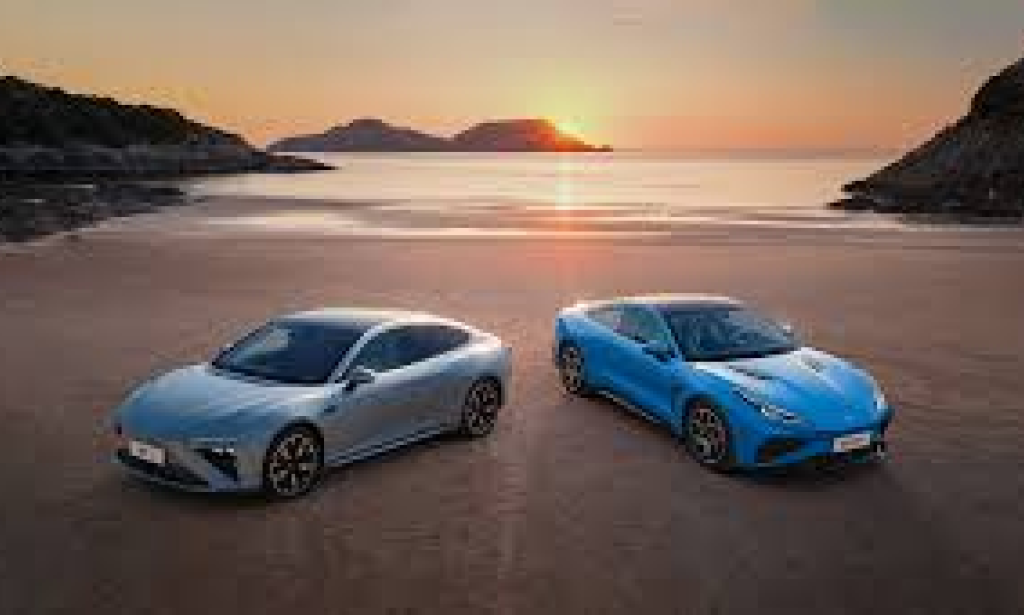
Illustration #4: Electric and Autonomous Vehicles
This image could show a futuristic city street with sleek, electric cars and autonomous vehicles cruising along. Some cars could have no driver visible, emphasizing the role of AI and advanced technology in transportation. The vehicles would have a modern, streamlined design, showcasing innovations like solar panels, sensor arrays, and digital interfaces.
Conclusion
From steam-powered carriages to electric, self-driving machines, the automobile has undergone an incredible transformation. Today, cars are more than just a means of getting from point A to point B—they are a reflection of human ingenuity, societal progress, and the ongoing quest for sustainability. As technology continues to evolve, the future of the automobile promises even more exciting possibilities, from greener vehicles to fully autonomous transportation systems.

You must be logged in to post a comment.