

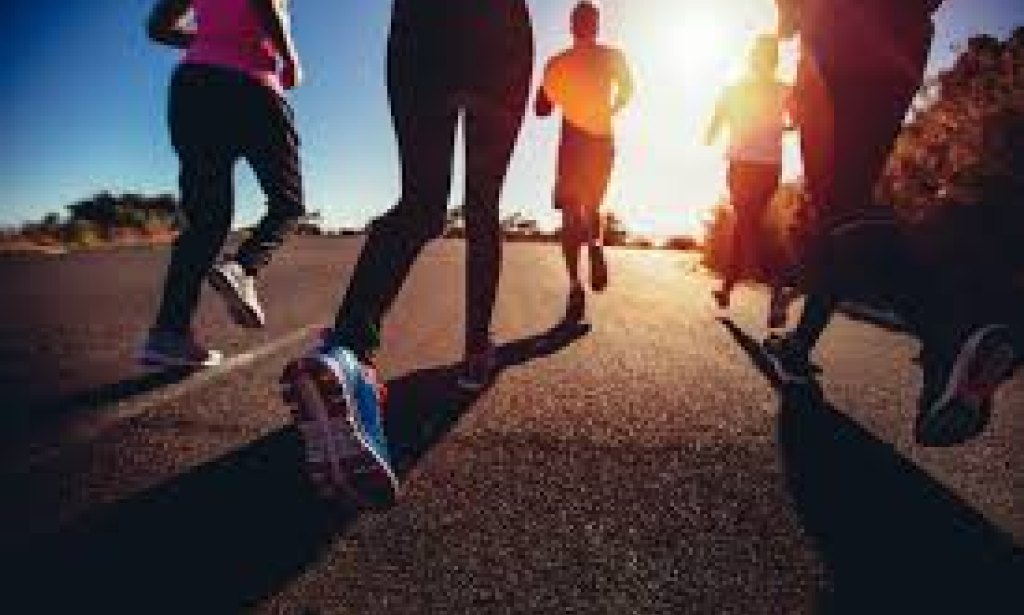

1. Physical Health Benefits of Exercise
Exercise is widely known for its ability to improve physical health. Regular physical activity can help maintain a healthy weight, strengthen muscles and bones, and reduce the risk of chronic diseases such as heart disease, diabetes, and certain cancers. Here are some key benefits:
-
Improved Cardiovascular Health: Aerobic exercises like running, cycling, and swimming help improve heart function and circulation. Regular exercise can lower blood pressure and cholesterol levels.
-
Weight Management: Exercise burns calories and increases metabolism, making it a crucial component in maintaining a healthy weight or losing excess weight.
-
Stronger Muscles and Bones: Weight-bearing exercises such as weightlifting and bodyweight movements (e.g., squats, lunges) strengthen muscles and bones, reducing the risk of osteoporosis as you age.
Illustration #1: The Benefits of Exercise on the Heart
This image could show a comparison between a healthy heart and a heart affected by a sedentary lifestyle. The healthy heart could have vibrant colors and be surrounded by active symbols like running shoes and weights, while the sedentary heart might appear weaker and show signs of plaque buildup.
2. Mental Health Benefits of Exercise
Exercise doesn’t only benefit the body; it’s also crucial for mental health. Engaging in physical activity releases endorphins, often referred to as "feel-good hormones," which can boost your mood and reduce stress. Here’s how exercise can enhance mental well-being:
-
Reduced Stress and Anxiety: Physical activity helps the body manage stress by releasing tension and promoting relaxation. It can also help alleviate symptoms of anxiety and depression by encouraging the production of neurotransmitters like serotonin and dopamine.
-
Improved Sleep: Regular exercise, especially aerobic activities, can improve the quality of sleep, helping you fall asleep faster and experience deeper sleep cycles.
-
Enhanced Cognitive Function: Exercise promotes blood flow to the brain, improving memory, concentration, and overall cognitive function. This is especially important for older adults.
Illustration #2: Exercise and Mental Well-being
This image could depict a person exercising, surrounded by symbols of mental health, like a brain with positive energy flows or a silhouette of a happy face. The image could show someone walking or jogging outdoors, with a calm and peaceful expression on their face, emphasizing the connection between physical activity and emotional well-being.
3. Types of Exercise for Different Goals
Not all exercise is the same, and different types of physical activity offer different benefits. Depending on your fitness goals—whether they’re building strength, increasing flexibility, or improving endurance—choosing the right kind of exercise is essential. Here are some examples:
-
Strength Training: This includes weightlifting, resistance bands, and bodyweight exercises that help build muscle mass, increase strength, and improve metabolic health.
-
Cardiovascular Exercise: Activities like running, cycling, swimming, and dancing increase heart rate, improve lung function, and boost overall cardiovascular health.
-
Flexibility and Balance: Yoga and Pilates focus on improving flexibility, posture, and balance, which is especially beneficial for injury prevention and maintaining mobility as you age.
Illustration #3: Types of Exercises for Fitness Goals
This illustration could showcase a person performing different types of exercises, such as lifting weights for strength, running for cardiovascular health, and practicing yoga for flexibility. The scene could be divided into sections, each showing a different exercise and its associated benefits.
4. How to Make Exercise Part of Your Routine
One of the biggest challenges people face when it comes to exercise is making it a consistent part of their daily lives. The key to long-term success is finding a routine that works for you and is enjoyable. Here are some tips for making exercise a regular habit:
-
Start Small: If you’re new to exercise, start with short sessions (10-15 minutes) and gradually increase the intensity and duration as your fitness level improves.
-
Find an Activity You Enjoy: Choose an exercise you look forward to, whether it’s dancing, swimming, cycling, or hiking. The more fun it is, the more likely you’ll stick with it.
-
Set Realistic Goals: Set achievable fitness goals, such as working out three times a week or improving your running speed over time. Tracking progress helps keep you motivated.
-
Mix It Up: Doing a variety of exercises keeps things interesting and ensures that you’re working different muscle groups. This can prevent boredom and reduce the risk of overuse injuries.
Illustration #4: A Daily Exercise Routine
This image could depict a person engaging in a variety of exercises throughout the week, such as jogging on one day, practicing yoga the next, and lifting weights on another. A calendar or schedule could be shown, illustrating a balanced, enjoyable workout routine that includes different activities.
Conclusion
Exercise is essential for both physical and mental health. It can enhance your cardiovascular health, improve your mood, and help you live a longer, healthier life. By incorporating a variety of exercises into your routine and finding activities you enjoy, you can make physical activity a lifelong habit. So get moving—your body and mind will thank you!

You must be logged in to post a comment.