


1. Understanding the Chest Muscles: Anatomy and Key Functions
1.1 The Anatomy of Pectoral Muscles
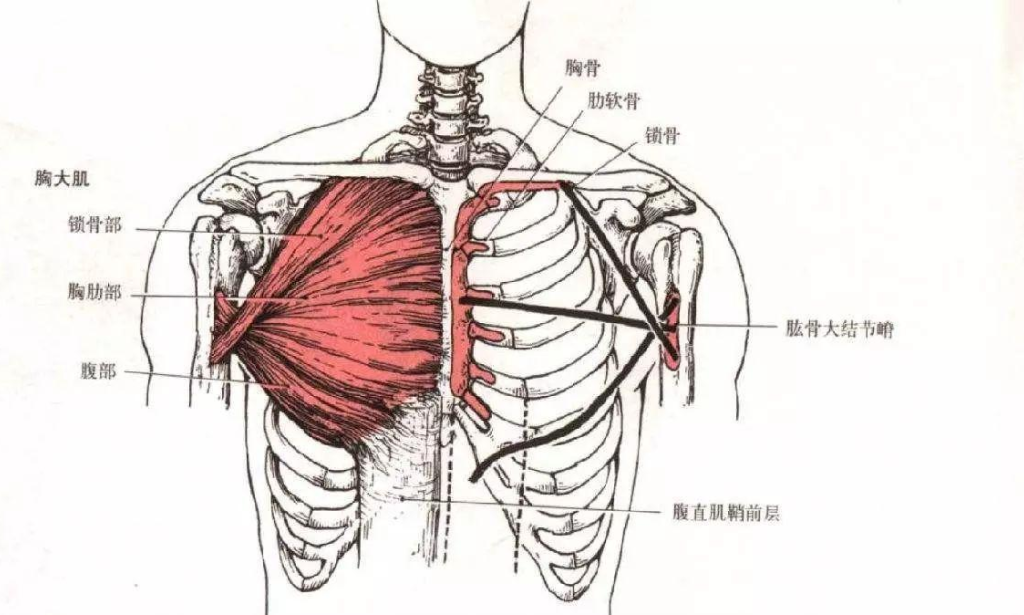
The chest is a complex area of the body, housing muscles that are not only crucial for physical appearance but also for a wide range of movements. At the core, the chest is made up of two main muscles: the pectoralis major and the pectoralis minor. The pectoralis major, a large, fan - shaped muscle, is the most prominent and visible of the two. It can be further divided into three distinct functional regions: the clavicular (upper chest), the sternocostal (mid - chest), and the abdominal (lower chest). Each of these regions has its own unique role in movement and requires specific training methods to ensure balanced development. For example, the clavicular region is more involved in movements that involve lifting the arms forward and upward, like in a front raise exercise. The pectoralis minor, a smaller muscle located beneath the pectoralis major, plays a role in stabilizing the shoulder blade and assisting in certain arm movements. Understanding this anatomy is the first step in effectively targeting these muscles during a workout. Compound movements, such as bench presses and push - ups, engage multiple regions of the pectoralis major simultaneously. When performing a bench press, the sternocostal and abdominal regions of the pectoralis major work together with other muscles like the triceps and deltoids to lift the weight. This activation of multiple muscle groups makes compound exercises highly efficient for overall chest development.
1.2 Why a Strong Chest Matters
While having a well - defined chest can enhance one's physical appearance, the benefits of a strong chest go far beyond aesthetics. First and foremost, a well - developed chest significantly enhances upper - body pushing strength. This strength is essential in many daily activities, from opening a heavy door to lifting a child. In sports, athletes rely on their chest strength for actions like throwing a ball in baseball or performing a powerful serve in tennis. Secondly, a strong chest helps improve posture. The chest muscles work in opposition to the back muscles. When the chest muscles are weak, the back muscles can become over - dominant, leading to a hunched - over posture. Strengthening the chest muscles helps counterbalance the back muscles, pulling the shoulders back and promoting a more upright posture. This not only looks better but also reduces the risk of back pain and injury. Additionally, a strong chest contributes to overall functional fitness. It improves the body's ability to perform multi - joint movements, which are common in both daily life and sports. Whether it's carrying groceries, climbing stairs, or participating in a team sport, a strong chest provides the necessary support and power.
2. Essential Training Principles for Chest Hypertrophy
2.1 Compound Movements: The Foundation of Chest Training
2.1.1 The Bench Press: King of Chest Exercises
Compound movements are the cornerstone of an effective chest training routine. They engage multiple muscle groups simultaneously, stimulating overall muscle growth and strength development. Among these, the bench press stands as the undisputed king of chest exercises. It not only targets the pectoralis major but also recruits the triceps and anterior deltoids, making it a multi - functional movement for upper - body strength.
The barbell bench press is unrivaled for building raw mass and strength. When performing this exercise, focus on a full range of motion. Lower the bar to mid - chest, a position that maximally stretches the chest muscles. However, it's crucial to keep the shoulder blades retracted throughout the movement. This not only helps to engage the pecs more effectively but also prevents over - reliance on the triceps. Many beginners make the mistake of using only their triceps to lift the weight, which reduces the effectiveness of the exercise for chest development. By keeping the shoulder blades retracted, you can ensure that the pectoralis major is the primary muscle doing the work. Aim for 3–4 sets of 6–12 reps to target muscle hypertrophy. This rep range is ideal for stimulating muscle growth as it provides enough resistance to cause muscle fiber damage, which the body then repairs and grows stronger in response.
2.1.2 Incline and Decline Variations for Full - Thickness Growth
While the flat bench press is a staple, incline and decline bench press variations are essential for achieving balanced and full - thickness chest growth. Incline bench presses target the upper chest, a region that is often overlooked but crucial for filling out the clavicular region. This gives the chest a more rounded and aesthetically pleasing appearance. To perform an incline bench press, use a 30–45 - degree angle. This angle effectively targets the upper fibers of the pectoralis major. When the bar is lowered, it should reach the upper part of the chest, near the collarbone.
On the other hand, decline presses emphasize the lower chest and sternocostal fibers. A slight 15–20 - degree decline is optimal for activation. The decline bench press helps to develop the lower part of the chest, which is important for overall chest symmetry. When performing a decline press, focus on keeping the core engaged to maintain stability. As you lower the bar, feel the stretch in the lower chest and then contract the muscles forcefully to lift the weight back up.
2.2 Isolation Movements: Sculpting and Defining the Chest
2.2.1 Dumbbell Flyes for Muscle Separation
Isolation movements play a vital role in chest training, especially when it comes to sculpting and defining the muscles. Dumbbell flyes are a classic isolation exercise that focuses on the chest muscles alone, without the assistance of other major muscle groups. This exercise stretches the chest at the bottom of the movement, promoting muscle fiber recruitment and definition.
To perform dumbbell flyes correctly, lie on a bench with a dumbbell in each hand. Start with your arms extended upwards, perpendicular to the bench. As you lower the dumbbells out to the sides, maintain a slight bend in the elbows. This helps to avoid shoulder strain, which can occur if the elbows are locked. As you lower the weights, feel the stretch in the chest muscles. At the bottom of the movement, the chest should be fully stretched. Then, slowly bring the dumbbells back up, focusing on squeezing the pecs at the top of the motion. This contraction at the end range of motion helps to further develop the chest muscles.
2.2.2 Cable Crossovers for Constant Tension
Cable crossovers are another excellent isolation exercise for the chest. This exercise uses adjustable pulleys to create continuous tension throughout the range of motion. The continuous tension is ideal for finishing workouts and targeting stubborn inner chest fibers.
To perform cable crossovers, stand between two cable machines with a handle in each hand. The cables should be set at a high position. Start with your arms extended out to the sides, parallel to the floor. As you bring the handles towards the center of your body, lean forward slightly. This forward lean helps to emphasize the sternal division of the chest. Keep your elbows slightly bent and focus on squeezing the chest muscles at the end of the movement. The adjustable nature of the cables allows you to adjust the resistance according to your fitness level, making this exercise suitable for beginners and advanced lifters alike.
2.3 Training Frequency and Volume
Training frequency and volume are crucial factors in achieving chest hypertrophy. Aim for 2–3 chest workouts weekly. This frequency allows enough time for the chest muscles to recover and grow between sessions. Over - training can lead to muscle fatigue, injury, and a lack of progress. Allowing 48–72 hours of recovery between sessions is essential for optimal muscle repair and growth.
Total weekly volume of 12–16 working sets (excluding warm - ups) is optimal for hypertrophy. This volume should be a combination of compound lifts and isolation exercises. Compound lifts like the bench press should form the majority of the volume as they stimulate overall muscle growth. Isolation exercises can then be added to target specific areas and add definition. For example, you could start a chest workout with 3 - 4 sets of bench presses, followed by 2 - 3 sets of incline or decline presses. Then, finish the workout with 2 - 3 sets of dumbbell flyes or cable crossovers. Adjusting the volume and intensity based on your fitness level and goals is key to continued progress in chest training.
3. Nutrition: Fueling Muscle Growth and Recovery
3.1 Protein Intake: The Building Block of Muscle
Protein is the cornerstone of muscle growth and repair. It is made up of amino acids, which are the building blocks that the body uses to repair and grow muscle tissue. After an intense chest workout, the muscle fibers experience microscopic damage. Protein provides the necessary materials for the body to repair these damaged fibers, making them stronger and larger over time.
To support muscle synthesis effectively, aim to consume 1.6 - 2.2 grams of protein per kilogram of body weight daily. For example, if you weigh 70 kilograms, you should aim for 112 - 154 grams of protein per day. Prioritize high - quality protein sources. Chicken breast is an excellent choice, as it is lean and high in protein, containing about 31 grams of protein per 100 - gram serving. Eggs are another staple, with a large egg providing around 6 grams of protein. They are also a complete protein, meaning they contain all the essential amino acids the body needs. Greek yogurt is not only rich in protein, with about 10 - 17 grams per 100 - gram serving, but also contains probiotics that can aid digestion.
For those following a plant - based diet, lentils are a great option, offering around 9 grams of protein per 100 - gram serving. Tofu, a soy - based product, provides about 8 grams of protein per 100 - gram serving. Timing your protein intake around workouts can significantly enhance absorption. Consuming 20 - 30 grams of protein 30 - 60 minutes before and after a workout can provide the amino acids the muscles need during the critical periods of muscle breakdown and repair. This could be in the form of a protein shake, a chicken breast, or a serving of Greek yogurt.
3.2 Caloric Surplus for Hypertrophy
Building muscle mass requires a caloric surplus, which means consuming more calories than your body burns. This surplus provides the extra energy needed for muscle growth. The key is to maintain a slight caloric surplus of 300 - 500 calories above your maintenance level. For example, if your body burns 2000 calories per day to maintain your current weight, you should aim to consume 2300 - 2500 calories per day.
Focus on nutrient - dense foods to meet your caloric needs. Complex carbohydrates like brown rice, quinoa, and whole - wheat bread are excellent sources of energy. They provide a steady release of glucose into the bloodstream, keeping your energy levels stable during workouts. Brown rice, for instance, contains about 216 calories per 100 - gram serving and is rich in fiber, vitamins, and minerals. Lean proteins, as mentioned earlier, are crucial for muscle repair and growth. Good - quality fats, such as those found in avocados, nuts, and olive oil, are also important. An avocado contains about 240 calories and is rich in monounsaturated fats, which are beneficial for heart health.
However, it's important to avoid excessive fats and sugars. Foods high in saturated and trans fats, like fried foods and processed snacks, can lead to unwanted fat gain. Similarly, sugary drinks and candies provide empty calories with little nutritional value. These can cause blood sugar spikes and crashes, leading to energy fluctuations and potential fat storage.
Staying hydrated is also essential. Water is involved in every metabolic process in the body, including muscle protein synthesis. It helps transport nutrients to the muscles and aids in the removal of waste products. Aim to drink at least 2 - 3 liters of water per day, more if you are sweating heavily during workouts. Dehydration can lead to fatigue, reduced exercise performance, and slower muscle recovery. So, make sure to keep a water bottle handy during your workouts and throughout the day to support your muscle - building goals.
4. Common Mistakes to Avoid for Maximum Results
4.1 Poor Form and Overtraining
One of the most prevalent mistakes in chest training is performing exercises with poor form. For instance, during bench presses, flaring the elbows out too wide is a common error. This not only shifts the focus away from the chest muscles but also places excessive stress on the shoulders, significantly increasing the risk of shoulder strain or injury. Instead of relying on momentum and improper form to lift the weight, it's crucial to move the weight in a controlled manner. Each repetition should be a deliberate movement, with a slow and controlled lowering phase, followed by a powerful contraction during the lifting phase. This not only targets the chest muscles more effectively but also reduces the risk of injury.
Rushing through repetitions is another form - related mistake. When reps are rushed, the mind - muscle connection is lost. The mind - muscle connection is the ability to consciously contract and feel the targeted muscle working. By focusing on this connection, you can ensure that the chest muscles are doing the majority of the work. For example, during a dumbbell flye, instead of just going through the motions, focus on feeling the stretch in the chest as you lower the dumbbells and the contraction as you lift them back up. This will lead to better muscle activation and growth.
Overtraining is another pitfall to avoid. Many beginners, eager to see quick results, make the mistake of training their chest too frequently or with too much intensity. Overtraining can lead to muscle fatigue, decreased strength, and an increased risk of injury. It also inhibits muscle recovery and growth. The body needs time to repair and grow after a workout. When you overtrain, the body doesn't have enough time to recover, and instead of getting stronger, your muscles may actually start to break down. To avoid overtraining, stick to the recommended training frequency of 2 - 3 times a week and give your muscles at least 48 - 72 hours to recover between sessions.
4.2 Neglecting Upper or Lower Chest Development
A balanced chest is not only aesthetically pleasing but also functionally important. However, many lifters tend to focus solely on the middle part of the chest, neglecting the upper and lower regions. This results in an unbalanced chest, which can look unnatural and also affect overall strength and performance.
The upper chest, specifically the clavicular region of the pectoralis major, is often overlooked. To develop the upper chest, incline exercises are essential. Incline bench presses, as mentioned earlier, target the upper chest fibers. But it's not just about doing incline presses; it's also about the angle and the range of motion. Using a 30 - 45 - degree angle on the incline bench and ensuring a full range of motion, from a deep stretch at the bottom to a strong contraction at the top, will effectively target the upper chest. Incorporating incline dumbbell flyes can also be beneficial. These isolation exercises further isolate and develop the upper chest muscles.
Similarly, the lower chest, the sternocostal and abdominal regions of the pectoralis major, is often under - trained. Decline exercises are the key to developing the lower chest. A decline bench press with a 15 - 20 - degree decline angle can effectively target the lower chest fibers. During a decline press, it's important to keep the core engaged to maintain stability and ensure that the lower chest muscles are doing the work. Decline push - ups can also be a great addition to your routine, especially for those who are just starting out or don't have access to a decline bench. Aim to dedicate 20 - 30% of your chest routine to upper and lower chest - targeting exercises to ensure balanced development.
4.3 Ignoring Recovery and Rest
Muscle growth doesn't occur during the workout; it occurs during the recovery period. This is when the body repairs the damaged muscle fibers and builds them back stronger. Therefore, adequate recovery and rest are just as important as the workout itself.
Sleep is a crucial part of the recovery process. Aim for 7 - 9 hours of quality sleep per night. During sleep, the body releases growth hormone, which is essential for muscle repair and growth. It also helps to reduce inflammation and improve overall recovery. Lack of sleep can lead to increased stress levels, decreased muscle recovery, and a slower metabolism, all of which can hinder muscle growth.
In addition to sleep, active recovery techniques can also be beneficial. Light cardio, such as walking, cycling, or swimming, can help to increase blood flow to the muscles, reducing muscle soreness and promoting recovery. Stretching is another important aspect of active recovery. Static stretches, held for 15 - 30 seconds, can help to improve flexibility, reduce muscle tightness, and prevent injuries. Incorporating a 10 - 15 - minute active recovery session after your chest workout can make a significant difference in how you feel the next day and your overall progress in chest training. So, don't underestimate the power of rest and recovery; they are essential components of a successful chest - building program.
5. Advanced Techniques for Breaking Plateaus
5.1 Progressive Overload: The Key to Sustained Growth
As you progress in your chest - training journey, you will inevitably hit plateaus, where your muscle growth seems to stagnate. This is where advanced techniques come into play. Progressive overload is the fundamental principle for continuous muscle growth. It involves gradually increasing the demands placed on the muscles over time. This can be achieved in several ways. One common method is to increase the weight you lift. For example, when you can perform all reps of a bench press with perfect form, it's time to add 2.5 - 5 pounds to the barbell. This slight increase in weight forces the muscles to adapt and grow stronger. Another way to apply progressive overload is by increasing the number of repetitions. If you've been doing 8 - 10 reps of an exercise, try increasing it to 10 - 12 reps. This increases the volume of work your muscles perform, leading to greater muscle fatigue and, ultimately, growth. You can also increase the number of sets. If you've been doing 3 sets of an exercise, bump it up to 4 sets. However, it's important to increase these variables gradually. A sudden and drastic increase in weight, reps, or sets can lead to injury and over - training. By consistently applying progressive overload, you keep challenging your muscles, preventing them from adapting to the same old routine and ensuring continued growth.
5.2 Drop Sets and Supersets for Metabolic Stress
Drop sets and supersets are two advanced techniques that can help you break through plateaus by creating metabolic stress. Drop sets involve reducing the weight after reaching muscle failure. For example, when doing dumbbell flyes, start with a weight that you can lift for about 10 - 12 reps. Once you reach failure, immediately reduce the weight by about 20 - 30% and continue lifting until you reach failure again. This forces the muscles to work beyond their normal capacity, increasing lactic acid accumulation. Lactic acid is a by - product of anaerobic metabolism, and its accumulation in the muscles stimulates the release of growth - promoting hormones. It also signals the body to adapt to the increased stress, leading to muscle growth.
Supersets, on the other hand, involve pairing two exercises back - to - back with little or no rest in between. A common chest - training superset is pairing bench presses with flyes. First, perform a set of bench presses, and as soon as you finish, immediately start a set of dumbbell flyes. This combination targets the chest muscles from different angles and also increases the intensity of the workout. The lack of rest between sets keeps the heart rate up and increases the metabolic stress on the muscles. The continuous muscle activation and the need to quickly recover between exercises create a challenging environment for the muscles, promoting muscle growth and endurance.
5.3 Mind - Muscle Connection Training
The mind - muscle connection is often overlooked but is a powerful tool for breaking plateaus. It refers to the ability to consciously contract and feel the targeted muscle working during an exercise. To train this connection, spend 1 - 2 weeks using lighter weights. During this time, focus solely on contracting the chest muscles during each repetition. For example, when doing a cable crossover, instead of just pulling the handles, focus on squeezing the chest muscles at the end of the movement. Visualize the muscles contracting and expanding. This not only improves your neural drive, which is the communication between the brain and the muscles, but also enhances your ability to activate the chest muscles more effectively. As a result, when you return to heavier weights, you'll be able to engage the chest muscles better, leading to improved performance and muscle growth. It's like fine - tuning your muscle - activation skills, allowing you to get the most out of every rep and every workout.
6. Sample Weekly Chest Training Plan
A well - structured chest training plan is essential for achieving your fitness goals. Here's a sample weekly chest training plan that you can follow, whether you're a beginner or an advanced lifter. This plan is designed to provide a balanced approach to chest training, targeting different aspects of muscle growth, strength, and definition.
Day 1: Heavy Compound Focus
This day is centered around heavy compound movements to build overall strength and muscle mass.
1. Incline Barbell Bench Press: 4x6–8
◦ Start with a warm - up set using a light weight. Lie on an incline bench with your feet firmly planted on the floor. Grip the barbell slightly wider than shoulder - width. Lower the barbell to the upper part of your chest, near the collarbone, while keeping your shoulder blades retracted. Push the barbell back up to the starting position, focusing on the contraction of the upper chest muscles.
1. Flat Dumbbell Bench Press: 3x8–10
◦ Lie on a flat bench with a dumbbell in each hand. Start with your arms extended upwards, perpendicular to the bench. Lower the dumbbells out to the sides in a controlled motion, maintaining a slight bend in the elbows. As you lower the weights, feel the stretch in the chest muscles. Then, push the dumbbells back up to the starting position, squeezing the chest muscles at the top.
1. Decline Smith Machine Press: 3x10–12
◦ Adjust the Smith machine to a decline position (about 15 - 20 degrees). Lie on the decline bench and grip the bar with your hands slightly wider than shoulder - width. Lower the bar to the lower part of your chest, keeping your core engaged. Push the bar back up, focusing on the contraction of the lower chest muscles.
1. Cable Crossovers: 3x15 (focus on stretch)
◦ Stand between two cable machines with a handle in each hand. The cables should be set at a high position. Start with your arms extended out to the sides, parallel to the floor. Bring the handles towards the center of your body, leaning forward slightly. Keep your elbows slightly bent and focus on squeezing the chest muscles at the end of the movement. At the bottom of the movement, hold the stretch for a second or two to really target the inner chest fibers.
Day 2: Hypertrophy and Definition
This day focuses on a combination of compound and isolation exercises to promote muscle hypertrophy and definition.
1. Flat Bench Press (Barbell): 4x8–12
◦ Lie on a flat bench with your feet flat on the floor. Grip the barbell slightly wider than shoulder - width. Lower the barbell to mid - chest, feeling the stretch in the chest muscles. Push the barbell back up, using your chest, triceps, and anterior deltoids to lift the weight. Keep your shoulder blades retracted throughout the movement.
1. Incline Dumbbell Flyes: 3x12–15
◦ Sit on an incline bench and pick up a dumbbell in each hand. Lie back on the bench and start with your arms extended upwards, perpendicular to the bench. Lower the dumbbells out to the sides in a controlled motion, maintaining a slight bend in the elbows. As you lower the weights, feel the stretch in the upper chest muscles. Then, bring the dumbbells back up, squeezing the upper chest at the top of the motion.
1. Push - Ups (weighted if possible): 3xAMRAP
◦ Start in a plank position with your hands slightly wider than shoulder - width. Lower your body towards the floor, keeping your elbows close to your body. Push yourself back up to the starting position, focusing on the contraction of the chest muscles. If you're more advanced, you can add a weight vest or have someone place a weight on your back to increase the difficulty. AMRAP stands for "as many reps as possible", so do as many push - ups as you can until you reach muscle failure.
1. Chest Dips (with belt): 3x10–12
◦ Set up a dip station and attach a weight belt if you want to add resistance. Start with your hands on the dip bars, your feet off the ground, and your body straight. Lower your body by bending your elbows, keeping your chest forward. Push yourself back up to the starting position, focusing on the contraction of the chest and triceps muscles.
Day 3: High - Volume and Isolation (Optional for advanced lifters)
This day is more focused on high - volume training and isolation exercises to further target specific areas of the chest. It's optional and is more suitable for advanced lifters who have been training for a while and want to add more variety to their routine.
1. Neutral - Grip Incline Press: 3x10–12
◦ Sit on an incline bench and hold a dumbbell in each hand with a neutral grip (palms facing each other). Start with your arms extended upwards. Lower the dumbbells to the sides of your chest, keeping your elbows close to your body. Push the dumbbells back up to the starting position, focusing on the contraction of the chest muscles.
1. Cable Flyes (wide grip): 4x12–15
◦ Stand in front of a cable machine with a handle in each hand. The cables should be set at a low position. Start with your arms extended out to the sides, parallel to the floor. Bring the handles towards the center of your body in a controlled motion, keeping your elbows slightly bent. Focus on squeezing the chest muscles at the end of the movement. The wide grip helps to target the outer chest fibers.
1. Machine Chest Press: 3x12–15
◦ Adjust the seat and backrest of the chest press machine to a comfortable position. Grip the handles and start with your arms extended. Lower the handles towards your chest, keeping your back straight. Push the handles back up to the starting position, focusing on the contraction of the chest muscles. The machine provides a stable platform and can help you maintain proper form.
1. Pec Deck: 3x15–20
◦ Sit in the pec deck machine and adjust the pads to a comfortable position. Hold the handles and start with your arms extended out to the sides. Bring the handles towards the center of your body, squeezing the chest muscles. At the end of the movement, hold the contraction for a second or two. The pec deck is an isolation exercise that specifically targets the chest muscles, helping to add definition.
Remember, this is just a sample plan, and you can adjust the weights, reps, and sets based on your fitness level, goals, and recovery ability. It's also important to warm up properly before each workout and to cool down and stretch afterwards to prevent injuries and aid in recovery. With consistent training and the right approach, you'll be on your way to achieving a strong and well - defined chest.
7. Recovery and Injury Prevention
7.1 Warm - Up and Cool - Down Rituals
Warming up before a chest workout and cooling down afterwards are essential components of a safe and effective training routine. A proper warm - up prepares the body for the upcoming physical stress, reducing the risk of injury and enhancing performance. Start your warm - up with 5 - 10 minutes of light cardio. This could involve using a treadmill, where you can walk or jog at a moderate pace. The rhythmic motion of walking or jogging increases blood flow to the muscles, delivering oxygen and nutrients that are crucial for exercise. Another great option is jumping rope. Jumping rope is a high - energy cardio exercise that gets the heart rate up quickly and warms up the entire body, including the muscles you'll be using in your chest workout.
After the cardio, dynamic stretches are a must. Arm circles are a simple yet effective dynamic stretch. Stand with your feet shoulder - width apart, extend your arms out to the sides, and make large circles with your arms. Start with small circles and gradually increase the size. This stretch warms up the shoulder joints and the muscles around them, which are heavily involved in chest exercises like bench presses and flyes. Band pull - aparts are also beneficial. Hold a resistance band with both hands, palms facing down. Pull the band apart, keeping your elbows slightly bent. This stretch targets the muscles between the shoulder blades and the upper back, helping to improve shoulder stability during chest workouts.
Once you've completed your chest workout, cooling down is just as important. Static stretching is the key during the cool - down phase. For the chest, stand facing a wall, place one hand on the wall at shoulder height, and lean into the wall until you feel a stretch in the chest. Hold this stretch for 30 - 60 seconds. This helps to relax the chest muscles and reduce muscle soreness. For the shoulders, cross one arm across your body and use the other arm to gently pull it closer to your body, stretching the shoulder. For the triceps, raise one arm straight up, bend it at the elbow, and use the other hand to gently pull the elbow towards your head. These static stretches not only improve mobility but also help the body return to its resting state more quickly.
7.2 Listening to Your Body
Your body is a remarkable machine that gives you signals when something is wrong. In the context of chest training, it's crucial to listen to these signals to prevent injuries and ensure continued progress. If you experience joint pain, especially in the shoulders or elbows during a chest workout, it's a clear sign that something is amiss. Shoulder pain during a bench press, for example, could be due to improper form, such as flaring your elbows out too wide. Elbow pain might be a result of over - stressing the joint, perhaps from using too much weight or performing exercises with incorrect technique. When you feel such pain, it's important to pause your training immediately. Continuing to exercise through pain can lead to more serious injuries and long - term damage.
For heavy presses, using wrist wraps or a weightlifting belt can provide additional support. Wrist wraps help to stabilize the wrists, reducing the risk of wrist injuries that can occur when lifting heavy weights. A weightlifting belt, on the other hand, supports the lower back and helps to maintain proper form during heavy lifts. It redistributes the stress across the body, taking some of the pressure off the lower back, which can be especially beneficial when performing exercises like the bench press.
If you have persistent joint issues or pain that doesn't go away after a few days of rest, it's advisable to consider physical therapy. A physical therapist can assess the root cause of the problem. They may use a combination of techniques, such as stretching, strengthening exercises, and manual therapy, to address the issue. For example, if you have a shoulder impingement, a physical therapist can recommend specific exercises to improve shoulder mobility and strengthen the muscles around the shoulder joint. They can also provide guidance on how to modify your chest - training routine to avoid aggravating the injury. By listening to your body and taking appropriate action, you can prevent minor issues from turning into major injuries and keep your chest - training journey on track.
8. Conclusion: Consistency Breeds Results
Building a powerful chest requires a strategic mix of compound lifts, targeted isolation work, proper nutrition, and smart recovery. Stay patient, track your progress (via photos, strength gains, or body measurements), and adjust your routine every 6–8 weeks to avoid adaptation. With dedication, your chest will not only look impressive but also perform at its peak, empowering every push, lift, and movement in your fitness journey. Start today with purpose—your chest muscles are waiting for the challenge.

You must be logged in to post a comment.