


2025.11.04 11:15 (Updated 2025.11.04) | Lü Xuanhuai
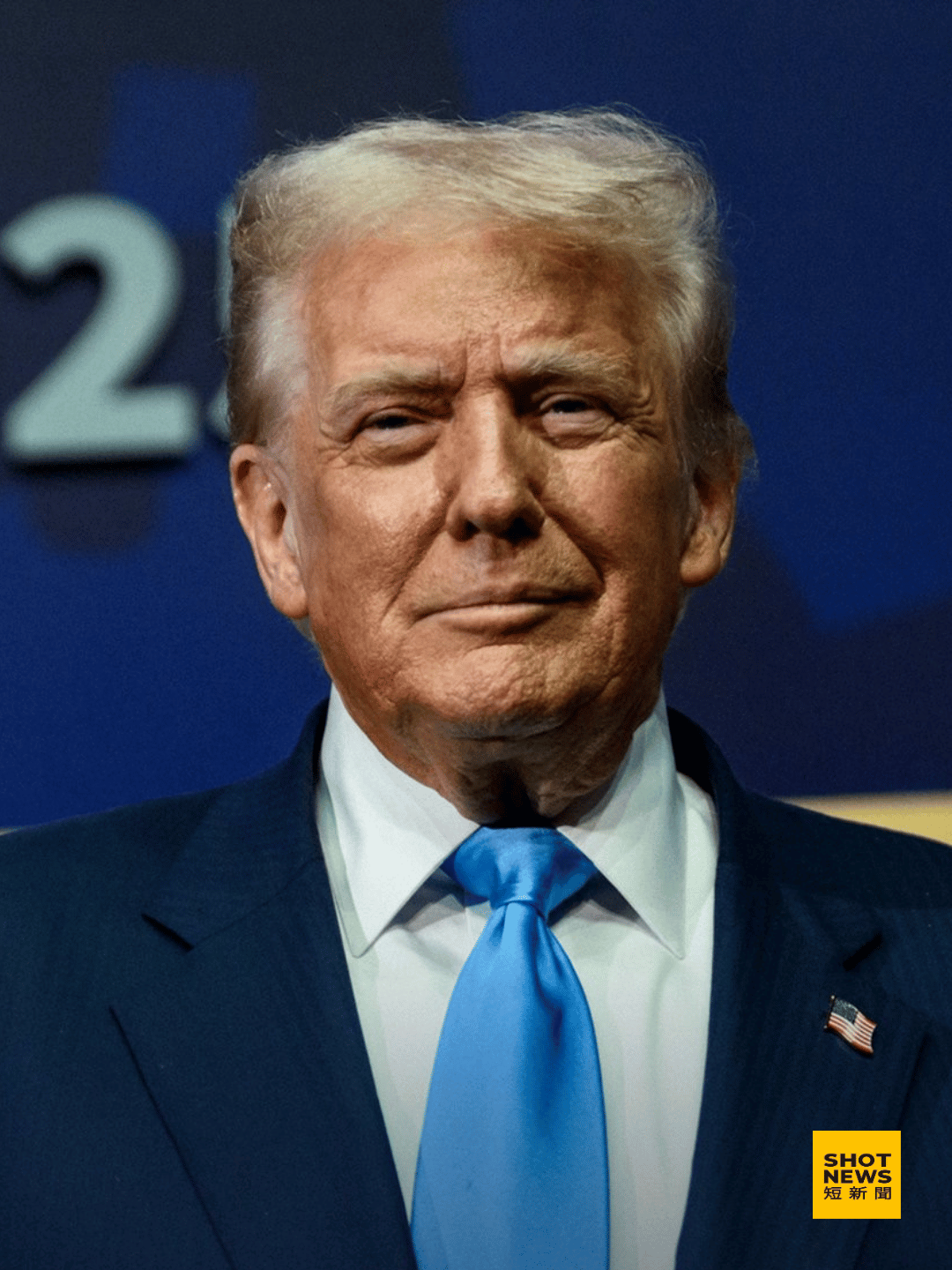
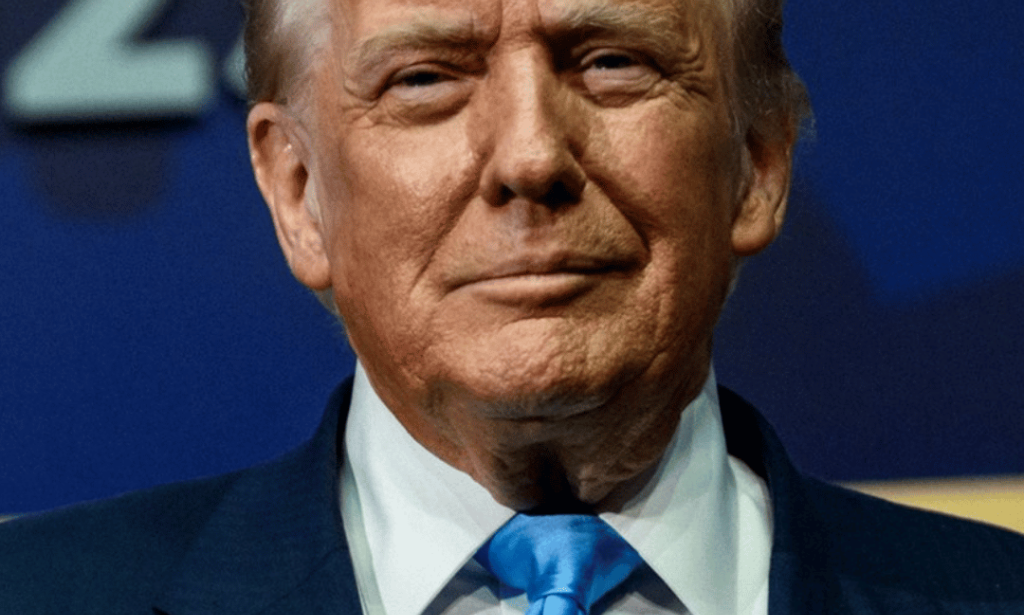
US President Donald Trump. (White House Facebook)
According to The Wall Street Journal, US President Trump originally planned to discuss a proposal to allow NVIDIA to export its advanced AI chip Blackwell to China during his meeting with Chinese President Xi Jinping in Busan, South Korea. However, the idea was met with almost unanimous opposition from top officials in Washington and was ultimately shelved. This decision symbolizes the US government drawing another line against China's technology, temporarily halting NVIDIA's potential sales of tens of billions of dollars.
Officials familiar with the matter indicated that Secretary of State Marco Rubio, Trade Representative Charles Greer, and Commerce Secretary Andrew Lutnick all warned Trump that approving exports could fuel China's AI development and threaten U.S. national security. Although the White House originally intended to use rare earth exports as leverage in exchange for concessions during the meeting, the Nvidia case faced unanimous opposition, and Trump ultimately decided not to bring it up again during his meeting with Xi Jinping on October 30.
The report points out that Nvidia CEO Jensen Huang has been actively lobbying Washington in recent months, emphasizing the importance of the Chinese market and warning that if the US blocks exports, it could hand over control of AI technology to China. He also stated at an Nvidia event that about half of the world's AI researchers are located in China, and that a balance of cooperation should be sought.
Trump later stated on CBS that the US would allow Nvidia to conduct some transactions with China, but would not sell its "most advanced chips," implying that the highest-performance version of Blackwell would still be restricted. Nvidia still plans to push forward with a downgraded version of its chip solution specifically for China, which could be developed within three months at the earliest.
Analysts believe that Trump's decision represents a victory for security advisors, and the US will maintain its stance of "limited communication and strict control of technology" in its chip strategy.

You must be logged in to post a comment.