


´: 12-10 23:05:59 The comprehensive analysis, synthesizing data from hundreds of peer-reviewed studies and global agricultural models, identifies several critical pressure points. According to the report, staple crops like wheat, maize, and rice are experiencing significant yield declines in key growing regions due to heat stress and changing rainfall patterns. For every degree Celsius of global warming, the global yields of major grains are projected to decline by an average of 3-8%. "Climate change is no longer a distant threat; it is a current and intensifying driver of hunger and malnutrition," stated Dr. Maria Chen, lead author of the FAO report. "The resilience of our agricultural systems is being tested like never before. We are seeing simultaneous breadbasket failures, which the global food trade system is ill-equipped to handle." The report highlights the increased frequency of extreme weather events as a primary disruptor. Severe droughts in North America and Southern Europe, unprecedented flooding in South Asia, and a rise in pest infestations linked to warmer winters are cited as recent examples causing localized crop collapses and spiking food prices. ´: 12-10 23:06:09 Furthermore, the analysis emphasizes the disproportionate impact on small-scale farmers in developing nations, who contribute a substantial portion of the world's food supply but lack the resources to adapt. "These communities are facing a double jeopardy: their livelihoods are directly threatened by poor harvests, while they also suffer from higher market prices for food," Dr. Chen explained. The FAO calls for an urgent, two-pronged global response. First, it stresses the immediate need for massive investment in climate-resilient agriculture. This includes developing drought- and heat-resistant crop varieties, improving water management through sustainable irrigation, and promoting farming practices that enhance soil health and biodiversity. Second, the report underscores the non-negotiable requirement for drastic reductions in greenhouse gas emissions. "Adaptation has its limits," the report warns. "Without steep cuts in emissions from major economies, the pace of climate change will ultimately overwhelm even our best efforts to adapt agricultural systems." The findings are expected to add significant pressure on world leaders ahead of the upcoming UN Climate Change Conference (COP28), where the nexus of climate and food security is slated to be a key agenda item. As global population continues to rise, the report serves as a sobering reminder that stabilizing the climate is inextricably linked to ensuring a stable and sufficient food supply for all.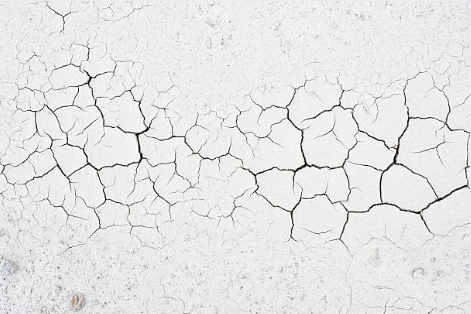
UN Report Warns of Climate Change's Growing Threat to Global Food Security

About Author

You must be logged in to post a comment.