



It all started about six months ago, with a dull, nagging discomfort in my stomach. At first, I brushed it off as the usual stomach ache—an all-too-familiar woe from my chaotic work schedule and irregular eating habits. But this time was different. The pain lingered longer, growing more frequent by the week, sometimes so severe it kept me awake all night. I popped over-the-counter stomach meds, but they did little to ease the ache.
A Frustrating Journey to a Diagnosis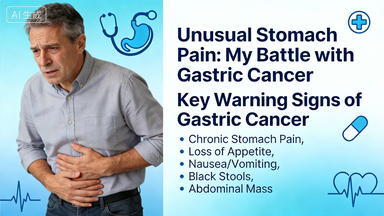
When the pain refused to let up, I knew I had to see a doctor. I first went to my local community clinic, where the doctor prescribed more stomach medication and told me to monitor my symptoms at home. A week later, nothing had changed. I then headed to a top-tier hospital for more comprehensive tests, where the doctor recommended an endoscopy— a procedure that filled me with anxiety, as I’d never had one before.
The days waiting for the endoscopy results were torture. I spiraled into a rabbit hole of online research, stumbling across countless stories about gastric cancer. Fear gripped me; I couldn’t shake the thought that I might have the disease too.
The Devastating Diagnosis
Finally, the results came in. The doctor’s tone was somber as he told me the news: I had gastric cancer. In that moment, my world crumbled. I couldn’t believe what I was hearing, repeating the same question over and over: “Is this real? Did I mishear you?”
Regret washed over me like a tidal wave. Why hadn’t I gotten an endoscopy sooner? Why had I put it off for so long? But no amount of regret could change the truth—I had cancer.
My only hope is that anyone dealing with persistent stomach issues reads this and takes action. Don’t delay seeking care, and never fall into the trap of thinking “if I don’t get tested, I don’t have the disease.” By the time a diagnosis comes, regret is useless.
I know what lies ahead is a battle with an inevitable end, only the length of the fight is unknown. It will drain every ounce of my energy, every penny I have, and take a toll on my family too. But the truth is set in stone, and all I can do is accept it. I’ve since dived into learning everything I can about gastric cancer—its causes, treatments, prognosis—and I’m working closely with my medical team to follow every step of my treatment plan. After rounds of chemotherapy, radiation, and surgery, I was finally cleared to leave the hospital.
There’s a chance the cancer will return in the not-too-distant future, but for whatever time I have left, I just want to live joyfully, cherishing every small moment with my family.
Doctor’s Medical Insight
Gastric cancer is one of the most common malignant tumors of the digestive system, with alarmingly high incidence and mortality rates worldwide. Early-stage gastric cancer has minimal, easily overlooked symptoms, and by the time it reaches the advanced stage, treatment outcomes are often poor. That’s why prevention and early detection are absolutely critical.
Key Warning Signs of Gastric Cancer
Chronic Stomach Pain: A hallmark symptom of gastric cancer, distinct from ordinary stomach aches. Pain caused by cancer is often more severe, persistent, and unresponsive to over-the-counter stomach medications.
Loss of Appetite and Unintentional Weight Loss: Impaired stomach function leads to reduced appetite and indigestion. Over time, this results in significant, unexplained weight loss and emaciation.
Nausea and Vomiting: These symptoms typically occur when a stomach tumor blocks the digestive tract or irritates the stomach lining.
Black, Tarry Stools or Vomiting Blood: When cancer invades the stomach’s blood vessels, it can cause bleeding. This may present as black, tarry stools (melena) or visible blood in vomit.
Abdominal Mass: In some cases, patients can feel a hard lump in the abdomen, usually a sign of a large stomach tumor.
Important Note: These symptoms are not exclusive to gastric cancer and may be linked to other stomach conditions. If you experience any of these signs, seek medical attention immediately. Follow your doctor’s advice on whether an endoscopy is needed—early detection and treatment are the best defenses against gastric cancer.

You must be logged in to post a comment.