


2025.08.01 13:30 (Updated 2025.08.01) | Lü Xuanhuai
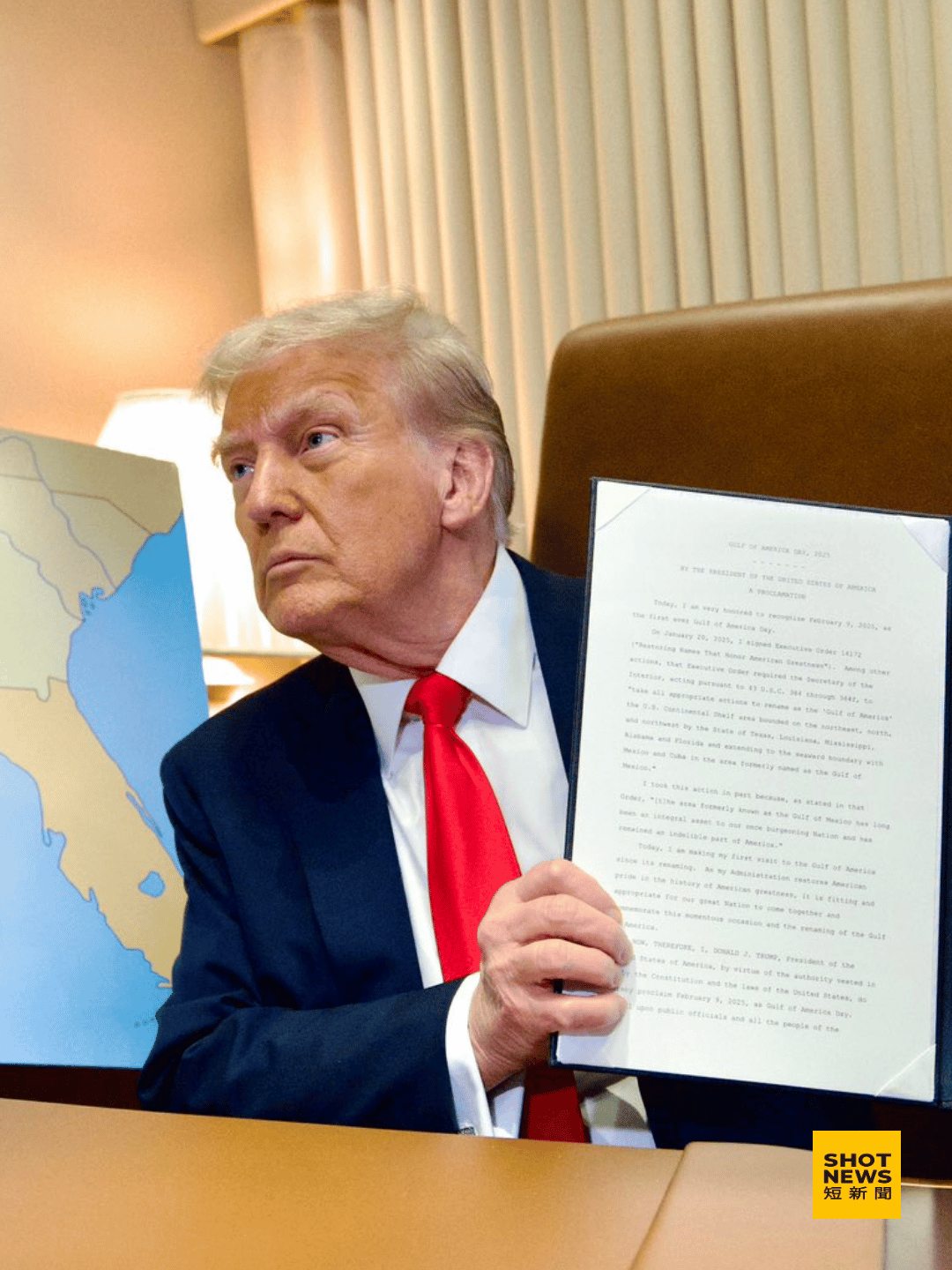
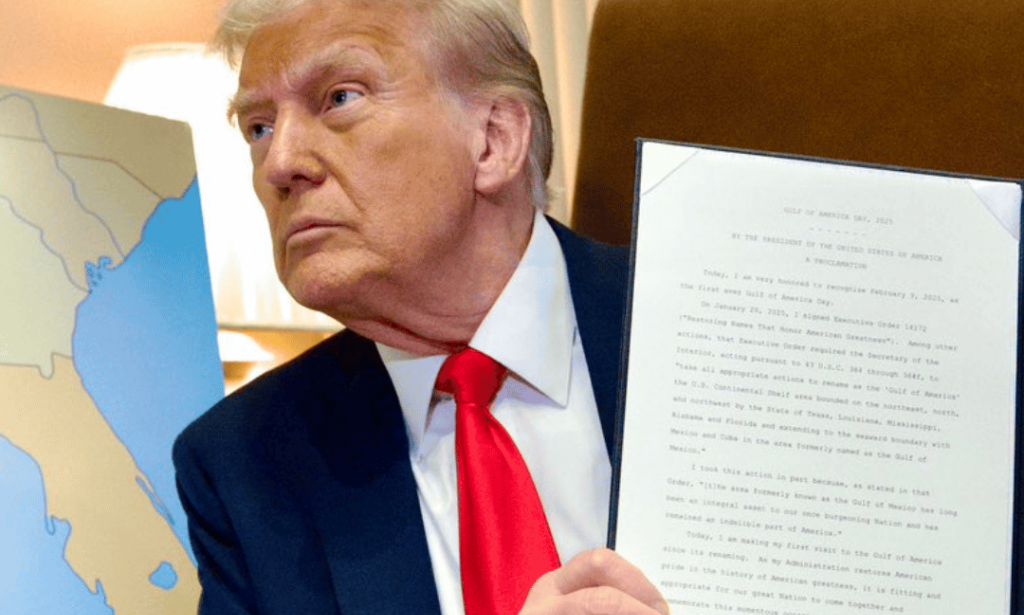
US President Trump signed an executive order. (Trump's Facebook post)
What impact will the US's 20% tariffs on Taiwan have on various industries in Taiwan?
The United States announced that it would impose a 20% retaliatory tariff on all Taiwanese imports under the International Emergency Economic Powers Act (IEEPA). This is part of Trump's strengthened trade policy during his second term, aimed at reducing the US trade deficit. Capital Economics Investment Consulting points out that while some high-tech products have been spared, traditional industries, machinery, and some medical device companies are likely to be the first to be affected.
The report indicates that the United States accounted for 32.8% of Taiwan's export orders in 2024. Many information and communication technology (ICT) and electrical products are first assembled in China or Southeast Asia before being re-exported to the United States. If the U.S. imposes heavier tariffs on "transit goods" in the future, the electronics industry will likely face even greater pressure.
However, most ICT products, such as semiconductors, semiconductor equipment, servers, and laptops, are currently still on the duty-free list. As long as the correct codes are used during customs declaration (e.g., 9903.01.32 for SSDs), tariffs can be temporarily avoided.
However, most ICT products, such as semiconductors, semiconductor equipment, servers, and laptops, are currently still on the duty-free list. As long as the correct codes are used during customs declaration (e.g., 9903.01.32 for SSDs), tariffs can be temporarily avoided.
Traditional industries face significantly greater pressure. Machinery, plastics and rubber, chemicals, heavy electrical equipment, and cables are directly subject to a 20% tax. Machine tools, with higher tax rates than Japan and South Korea, coupled with a strong New Taiwan Dollar, are particularly vulnerable, their competitiveness weakened.
The bicycle industry is also not immune, as its high local production makes it difficult to pass on costs. If medical equipment and CDMO services are also included in the tax list, they may face pressure to shift projects; while pharmaceuticals are currently exempt from tax, future policy changes are not guaranteed.
The bicycle industry is also not immune, as its high local production makes it difficult to pass on costs. If medical equipment and CDMO services are also included in the tax list, they may face pressure to shift projects; while pharmaceuticals are currently exempt from tax, future policy changes are not guaranteed.
Some industries fared better. Server EMS and ODM industries are exempt from taxes because their Mexican production lines comply with the USMCA agreement; plastics and specialty chemicals industries, with existing factories in the US, are expected to benefit from localization policies. Networking, mobile phone components, and PCB industries, due to their smaller product proportions and the ability to share costs with customers, experienced limited short-term impact.
Several variables need to be monitored: the outcome of the Section 232 investigation into semiconductors (which may be finalized as early as April 2026), whether the United States will strengthen its anti-piracy measures, whether the duty-free list and customs codes will change, and whether Taiwanese manufacturers can accelerate their production line layout in the United States, Mexico, and Southeast Asia.
Overall, Taiwan's exports are highly dependent on the United States, and the impact on industries is becoming more differentiated. Businesses need to prepare in advance by diversifying their production bases, strengthening their certificates of origin, and renegotiating cost-sharing mechanisms in order to stand firm in the face of uncertain tariff wars in the future.

You must be logged in to post a comment.