

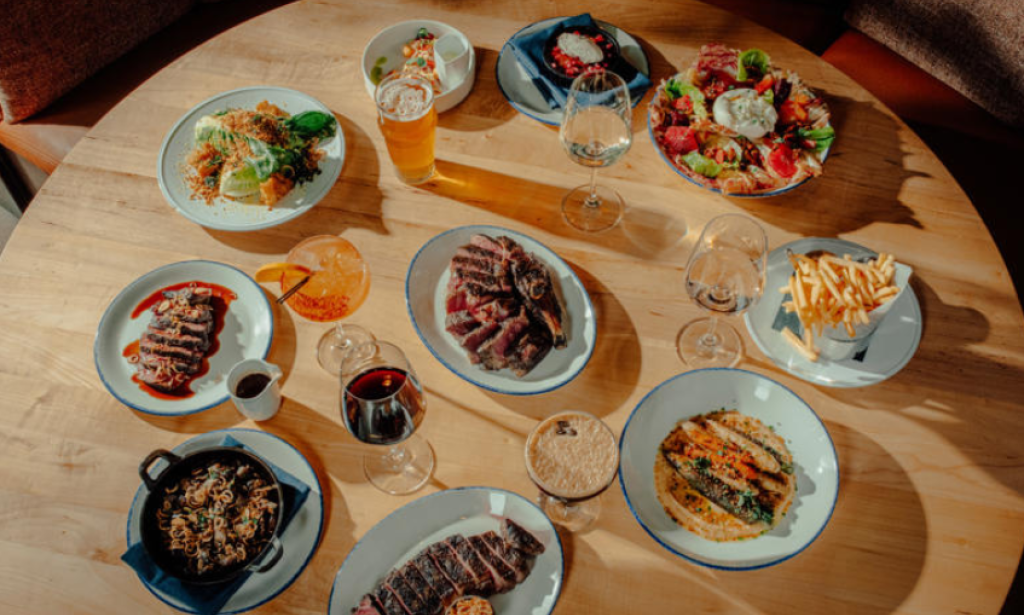

The fine-dining establishment serves a range of dishes, but steak dominates the menu, with options like a 16-ounce prime New York strip and a “Mrs. O’Leary,” an 8-ounce filet served with a red wine demi-glace and fried shallots.
The bill on a dinner for four can easily climb to $500. But after accounting for the restaurant’s costs—from the steak to rent—profits from the meal amount to around $25.
“Those margins are slim,” says Sawyer, Kindling’s chef partner and a James Beard Award winner.
Beef is more expensive than ever, and while many restaurants are feeling the squeeze, steakhouses are particularly in a pinch given their reliance on sales of dishes with a juicy porterhouse or rib-eye. Steakhouse operators say their customers tend to be more affluent and can pay up, but the operators still have plenty of complaints about rising prices.
Wholesale costs for beef destined for steak filets have ballooned around 67% from prepandemic levels, according to federal data. Kindling’s steak costs are up about 40% this year alone, Sawyer says.
In addition to food, expenses for labor, utilities, rent, insurance and other basics needed to run a restaurant are up, particularly in urban areas, according to the National Restaurant Association trade group.
 Related video: This is how chefs buy steak for half the price (Max The Meat Guy)


-
Strictly DumplingWhat truly separates a $200 Kobe steak from a bargain-priced $20 plate
17:53 -
NOT ANOTHER COOKING SHOWHow to get filet mignon for the price of ground beef
9:51 -
MashedThe Most Overpriced Items On Any Restaurant Menu
11:19
“Labor costs, workers’ comp, it has all skyrocketed,” says Stephen Sandoval, co-founder and executive chef at Chicago’s Trino steakhouse.
Holidays are prime time for steakhouses, when families and companies are often willing to pay up for pricier meals. After late-year holidays such as Christmas, sales typically slow and profit margins tighten, operators say.
Here is how three Chicago steakhouses are trying to square their costs:
Gibsons Restaurant Group
Gibsons has been buying steaks for nearly four decades, but 2025 has scrambled the Chicago-based restaurant group’s formula.
New tariffs this year on imports lifted prices paid for grass-fed beef from Australia and Kobe steak from Japan.
The bulk of Gibsons’s steaks come from Midwest producers, but that hasn’t brought relief from rising prices. Beef supplies are tight, and demand is red-hot.
Gibsons executives say they are more constrained in securing choice filets that meet their specifications. Cattle herds are at their lowest level in the U.S. since the 1950s, according to government data.
Grocery stores are increasingly stocking higher-end steaks, presenting more competition for restaurants and driving prices higher, says Stephen Lombardo III, Gibsons’s chief executive and second-generation owner.
“New York strip was never on the menu at home when we were kids. Now I can find it in Costco,” says Lombardo, who operates 14 restaurants.
Gibsons currently pays around $25 for a 13-ounce New York strip steak, and charges customers $70 for it. The same steak cost around $16 in 2019, and Gibsons would need to charge $89 for it today to keep prepandemic profit margins.
Gibsons bumped up its prices by around 3% this year, but that hasn’t covered its growing costs, Lombardo says. The company is exploring whether it can find savings by using technology to handle phone calls and speed up tasks like cutting vegetables.
Kindling Downtown Cookout & Cocktails
Sawyer tries to make the math work on meals by balancing out high-cost steaks with lower-cost items. The equation isn’t working as well these days.
A Chicago steakhouse needs to keep costs of ingredients to around 35% of the price that consumers pay. Sides, pastas and desserts tend to be more profitable, with lower ingredient costs.
Alcohol also benefits the ledger, with liquor carrying heftier profit margins than beer or wine. But people generally are drinking less when they dine out, Sawyer says.
Beef regularly breaks the 35% target. For prime steaks, it is around 50%.
That means a steak Sawyer sells for around $100 can now cost $50 to buy wholesale, he says. One error in the kitchen, and $50 ends up in the trash, he says.
Trino
Fellow restaurant operators told Trino’s Sandoval he was nuts to open a steakhouse this year with climbing beef prices. But it is all the other restaurant costs that are blowing his mind.
To open Sandoval’s new steakhouse in the hip West Loop area of Chicago, he sank $600,000 into equipment. Rent comes to $21,000 a month. Insurance and utilities also drive up monthly costs.
Sandoval says his biggest cost is labor. Between 35% and 37% of his sales go to cover employee expenses between kitchen, manager and server wages, along with benefits and workers’ compensation. Labor has become more expensive since the pandemic, and fine-dining restaurants need to pay servers and cooks able to handle $88 steak dishes, he says.
Chicago restaurant operators say their labor costs have particularly grown after the city began phasing out a lower minimum wage for tipped workers.
“People always complain about pricing,” says Sandoval, who previously worked with the celebrity chef Rick Bayless. “I don’t think they understand.”
Sandoval’s Trino steakhouse had one advantage over his next project, Entre Sueños—he didn’t have to build it from scratch. The full build-out for Entre Sueños is on track to cost $2.5 million, while Trino was about $600,000, he says.

You must be logged in to post a comment.