

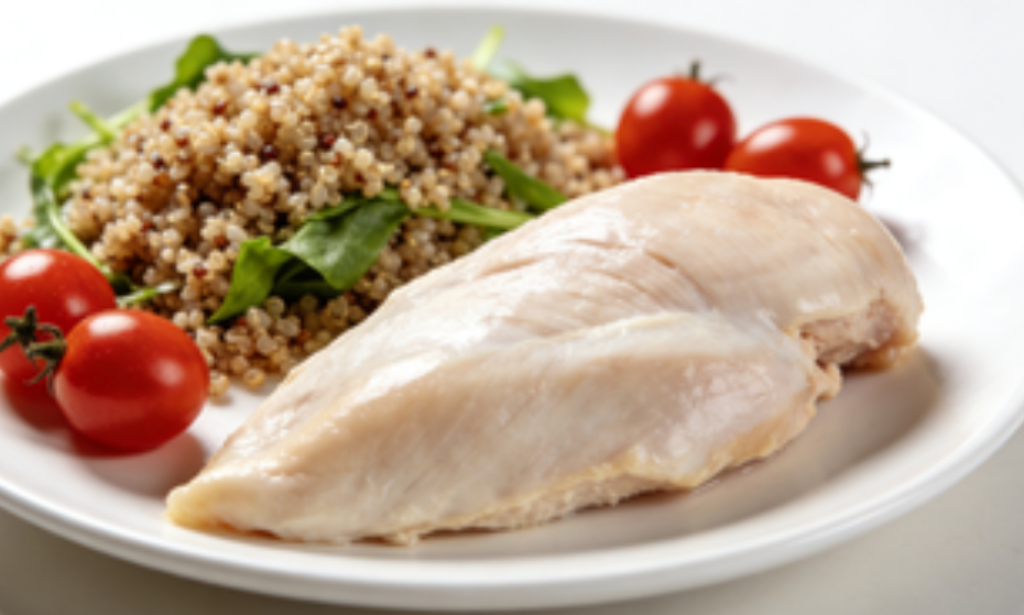

When it comes to clean bulking—building muscle without excessive fat gain—chicken breast is a non-negotiable staple for most fitness enthusiasts. It’s one of the leanest protein sources available, packed with high-quality protein, low in fat, and rich in essential nutrients that support both muscle growth and fat loss. Unlike many other protein sources, chicken breast is versatile, affordable, and easy to prepare, making it a go-to choice for those looking to optimize their bulking diet. In this article, we’ll dive into the fat loss effects and muscle-building benefits of chicken breast during the muscle gain period, and share practical ways to incorporate it into your daily meals.
The biggest advantage of chicken breast for clean bulking is its ultra-lean protein content. A 100-gram serving of skinless, boneless chicken breast contains approximately 31 grams of protein and only 1.6 grams of fat—most of which is healthy unsaturated fat. This high protein-to-fat ratio makes it an ideal food for muscle growth, as protein provides the amino acids needed for muscle repair and synthesis. At the same time, the low fat content ensures that you’re not consuming unnecessary calories that can lead to fat gain. Additionally, protein has a high thermic effect, meaning that your body burns more calories digesting chicken breast than it does digesting carbs or fats—boosting your metabolism and supporting fat loss.
Chicken breast is also rich in vitamin B6, a nutrient that plays a key role in energy metabolism and protein synthesis. Vitamin B6 helps break down proteins into amino acids, which are then used to build muscle. It also supports the production of hemoglobin, which transports oxygen to muscle cells during exercise—improving exercise performance and allowing you to burn more calories. A 100-gram serving of chicken breast provides approximately 0.5 milligrams of vitamin B6, which is 38% of the daily recommended intake for men and 42% for women. This nutrient is especially important during the bulking phase, when your body is working hard to build muscle and recover from intense training.
Another important nutrient in chicken breast is niacin (vitamin B3), which supports energy production and fat metabolism. Niacin helps convert food into energy, which is crucial for fueling intense workouts during the bulking phase. It also plays a role in regulating cholesterol levels, reducing the risk of heart disease. A 100-gram serving of chicken breast contains about 11.6 milligrams of niacin, which is 73% of the daily recommended intake for men and 83% for women. Additionally, chicken breast contains phosphorus, which supports bone health and muscle function, and selenium, an antioxidant that protects cells from damage caused by free radicals.
One of the key fat loss benefits of chicken breast is its ability to promote satiety. The high protein content of chicken breast stimulates the production of appetite-suppressing hormones like peptide YY (PYY) and cholecystokinin (CCK), which keep you full for longer periods. This reduces hunger and cravings for high-calorie, low-nutrient foods that can derail your clean bulking goals. For example, eating a chicken breast for lunch can keep you full until dinner, preventing mid-afternoon snacking on sugary or fatty foods.
To get the most out of chicken breast during the bulking phase, it’s important to choose skinless, boneless chicken breast— the skin adds a significant amount of fat and calories. When cooking chicken breast, use healthy methods like baking, grilling, broiling, steaming, or poaching. Avoid frying or adding heavy sauces, butter, or oil, as these can increase the calorie and fat content. For added flavor, season chicken breast with herbs, spices, lemon juice, or garlic—these add minimal calories while enhancing the taste.
Incorporating chicken breast into your bulking diet is incredibly versatile. For breakfast, add diced chicken breast to an omelet or scrambled eggs with vegetables for a high-protein start to the day. For lunch or dinner, serve a 150-250 gram portion of grilled or baked chicken breast with complex carbohydrates (e.g., quinoa, brown rice, whole-grain pasta) and a large serving of vegetables. You can also add chicken breast to salads, wraps, stir-fries, or soups for a quick protein boost. For meal prep, cook a large batch of chicken breast at the beginning of the week and portion it out for meals—this ensures that you always have a healthy protein source available, even on busy days.
Portion control is important with chicken breast, even though it’s low in fat. A typical serving size during the bulking phase is 150-250 grams, which provides 46.5-77.5 grams of protein and 165-275 calories. This portion size is sufficient to support muscle growth without overloading on calories. Additionally, vary your protein sources by combining chicken breast with other lean proteins like fish, eggs, and tofu to ensure a balanced diet.

You must be logged in to post a comment.