



In a world of endless to-do lists and constant distractions, eating has become just another task to check off. We scarf down meals at our desks, scroll through phones while chewing, and rush from breakfast to lunch without pausing to taste a single bite. This mindless approach doesn’t just rob us of the joy of food—it also takes a toll on our digestion, leading to bloating, indigestion, and even long-term gut health issues. Mindful eating, however, offers a simple yet powerful solution: by bringing full attention to the act of eating, we can savor every flavor, strengthen our connection with food, and support a healthier digestive system. Below, we’ll explore what mindful eating truly means, why it matters for digestion, and actionable steps to incorporate this practice into your daily life.
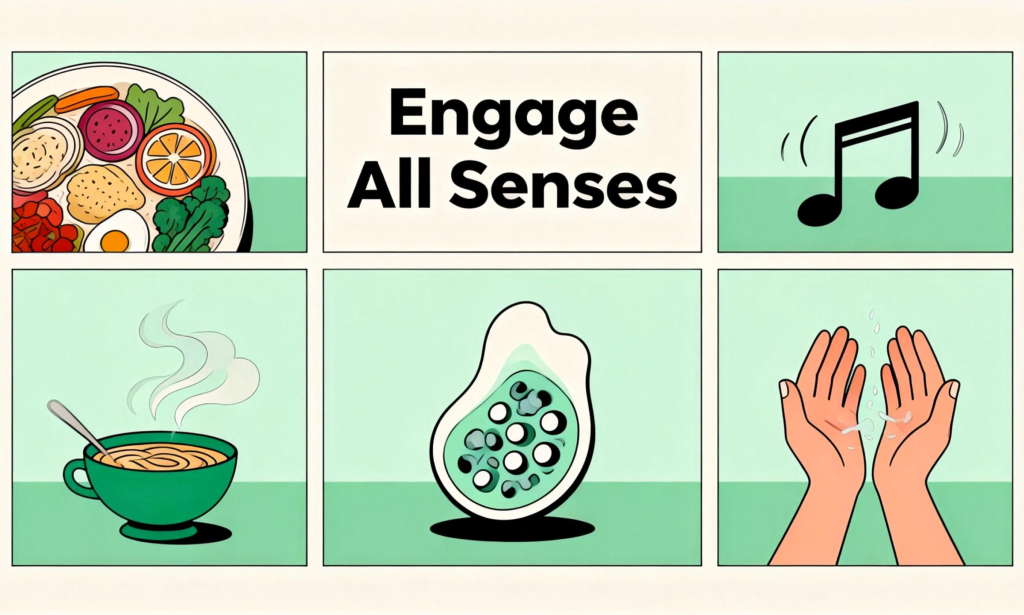
First, let’s clarify: mindful eating is not a diet or a set of strict rules. It’s a practice rooted in mindfulness—the ability to be fully present in the moment, without judgment. When we eat mindfully, we engage all our senses: we notice the color and texture of our food, smell its aroma, listen to the sounds of chewing, and savor each taste. We also pay attention to our body’s signals, recognizing when we’re hungry and when we’re full. This shift from “autopilot” eating to intentional eating transforms a routine act into a nourishing experience, and its benefits for digestion are backed by science.
Why does mindfulness improve digestion? Our digestive system is closely linked to our nervous system, which has two main states: the “fight-or-flight” response (activated by stress and distraction) and the “rest-and-digest” response (activated by calm and relaxation). When we eat while stressed or distracted, our body stays in fight-or-flight mode. This slows down digestive processes—blood flow to the gut decreases, stomach acid production is reduced, and the muscles that move food through the intestines (peristalsis) slow down. The result? Food sits in our stomachs longer, causing bloating, gas, and discomfort. On the other hand, mindful eating triggers the rest-and-digest response. When we’re calm and present, our body can fully focus on breaking down food, absorbing nutrients, and eliminating waste. Studies have shown that mindful eating practices can reduce symptoms of irritable bowel syndrome (IBS), decrease bloating, and improve overall gut function.

Now, let’s dive into practical steps to start eating mindfully today. The first step is to create a distraction-free environment. This means putting away your phone, turning off the TV, and stepping away from your work desk. Find a quiet place to sit—whether it’s a dining table, a cozy chair, or even a bench outdoors. Setting the scene can help signal to your brain that it’s time to slow down. A simple touch, like lighting a candle or placing a flower on the table, can also enhance the sense of calm and intentionality.
Next, take a moment to pause before eating. Before taking your first bite, take three deep breaths. Inhale slowly through your nose, hold for a second, and exhale through your mouth. This simple breathing exercise activates the parasympathetic nervous system (the rest-and-digest system), helping you transition from a state of stress to calm. Then, take a moment to observe your food. Notice its color—are the greens vibrant? Is the fruit bright and juicy? Look at the texture—Is it crispy, creamy, or crunchy? Bring the food close to your nose and smell it. What aromas do you detect? For example, a handful of roasted almonds might have a warm, nutty scent with hints of vanilla if lightly seasoned. Taking this time to engage your senses before eating prepares your body for digestion: your mouth will start to produce saliva, which contains enzymes that begin breaking down carbohydrates—an essential first step in the digestive process.
When you take your first bite, chew slowly and thoroughly. Most of us chew our food just enough to swallow, but mindful eating encourages chewing each bite 20-30 times. Chewing breaks down food into smaller pieces, making it easier for your stomach to process. It also allows more saliva to mix with the food, further aiding digestion. As you chew, pay attention to the flavors. Does the taste change as you chew? For example, a strawberry might start sweet, then develop a slightly tart finish. Notice the texture in your mouth—how does it feel as you bite down and chew? Resist the urge to take another bite until you’ve fully swallowed the first one. This slows down the entire eating process, giving your brain time to register when you’re full.
Another key part of mindful eating is tuning into your body’s hunger and fullness cues. Before eating, ask yourself: “Am I truly hungry, or am I eating out of boredom, stress, or habit?” During the meal, pause halfway through and check in with your body. On a scale of 1 to 10 (1 being starving, 10 being stuffed), how full do you feel? Mindful eating encourages stopping at a 6 or 7—when you’re no longer hungry but not yet full. This is because it takes about 20 minutes for your brain to receive signals from your stomach that you’re full. By eating slowly and checking in, you avoid overeating, which puts unnecessary strain on your digestive system.
It’s also important to practice non-judgment during mindful eating. If you find yourself distracted—thinking about work, scrolling through your phone, or rushing—don’t criticize yourself. Simply notice the distraction, and gently bring your attention back to your food. Mindfulness is a practice, not a perfect. Over time, it will become easier to stay present.
Incorporating mindful eating into your daily routine doesn’t have to be overwhelming. You can start small—perhaps by practicing mindful eating for one meal a day, like breakfast. Try eating a bowl of oatmeal slowly: notice the creamy texture, the warm aroma of cinnamon, and the sweet taste of raisins or nuts. As you get more comfortable, you can expand the practice to other meals.
For those with busy schedules, even small mindful moments can make a difference. If you’re eating at your desk, take five minutes to put away all distractions, take three deep breaths, and chew each bite slowly. If you’re eating on the go, try to take a few sips of water and pause between bites instead of gulping down your food.
The benefits of mindful eating extend beyond better digestion. It can also help you develop a healthier relationship with food, reduce emotional eating, and even support weight management (by preventing overeating). But perhaps the greatest benefit is rediscovering the joy of food—the simple pleasure of savoring a delicious meal, without rushing or distraction.
In conclusion, mindful eating is a simple yet transformative practice that connects us with our food, our bodies, and the present moment. By creating a distraction-free environment, engaging our senses, chewing slowly, and tuning into our body’s cues, we can improve digestion, reduce discomfort, and rediscover the pleasure of eating. Remember, mindfulness is a journey, not a destination. Start small, be patient with yourself, and enjoy the process of nourishing your body and mind—one bite at a time.

You must be logged in to post a comment.