

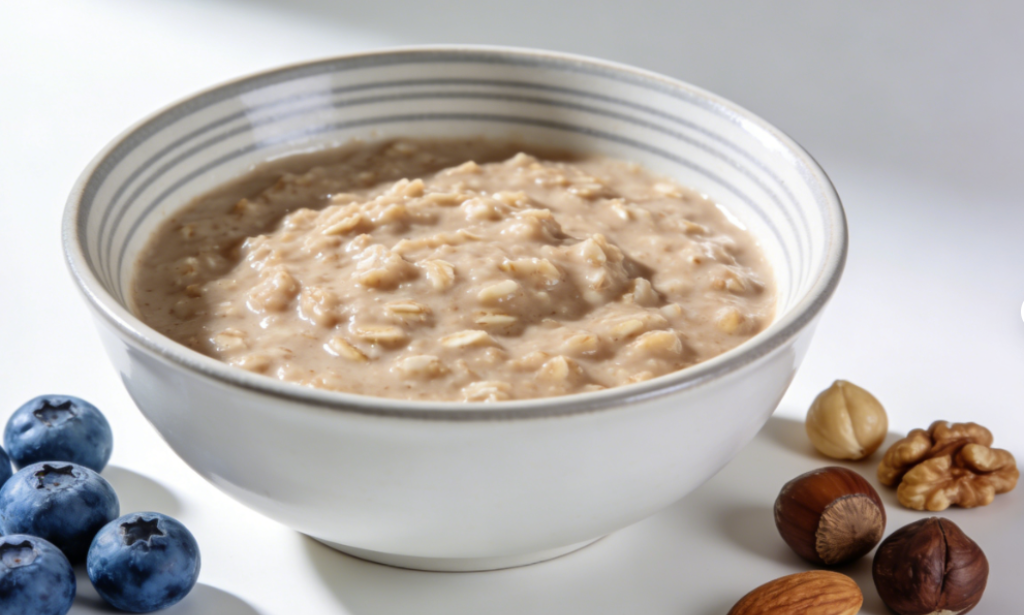

When it comes to fat loss, finding foods that keep you full, stabilize blood sugar, and provide essential nutrients is key—and oats check all these boxes. Oats are a whole-grain powerhouse that has long been a staple in the diets of fitness enthusiasts and seekers alike. Unlike refined grains that spike blood sugar and leave you hungry soon after, oats are rich in complex carbohydrates and soluble fiber, making them an ideal choice for sustained energy and appetite control during the period. Let’s dive into the specific fat loss effects and health benefits of oats, along with practical tips on how to incorporate them into your daily routine.
First and foremost, oats’ high fiber content is their biggest asset for fat loss. The main type of fiber in oats is beta-glucan, a soluble fiber that forms a gel-like substance in your stomach when mixed with water. This gel slows down the digestion process, increasing feelings of fullness (satiety) and reducing overall calorie intake throughout the day. Studies have shown that consuming beta-glucan can help you eat fewer calories at subsequent meals, as it keeps you satisfied for longer periods. For example, a bowl of oatmeal for breakfast can prevent mid-morning cravings that often lead to unhealthy snacking on high-sugar, high-fat foods—one of the biggest obstacles to fat loss.
Another key fat loss benefit of oats is their ability to stabilize blood sugar levels. Complex carbohydrates in oats are digested slowly, which prevents the rapid rise and fall of blood glucose that is common with refined carbs. When blood sugar spikes, the body releases insulin, a hormone that promotes fat storage—especially around the abdomen. By keeping blood sugar stable, oats help regulate insulin levels, reducing the body’s tendency to store fat and promoting the use of fat as an energy source instead. This is particularly beneficial for those looking to lose belly fat, a stubborn area that is often linked to insulin resistance.
Oats are also a nutrient-dense food, meaning they provide a high amount of nutrients relative to their calorie count. A 100-gram serving of rolled oats contains approximately 389 calories, 17 grams of protein, 66 grams of carbohydrates (of which 11 grams are fiber), and 7 grams of healthy fats. Protein is crucial for fat loss because it helps preserve lean muscle mass—muscle tissue burns more calories at rest than fat tissue, so maintaining muscle is essential for keeping your metabolism high. Additionally, the healthy fats in oats (mostly unsaturated fats) support hormone production and overall health, which is important during the period when nutrient intake may be restricted.
Beyond fat loss, oats offer a range of other health benefits that support your overall well-being during the journey. The beta-glucan in oats has been shown to lower LDL (bad) cholesterol levels by binding to cholesterol in the digestive tract and preventing its absorption into the bloodstream. This reduces the risk of heart disease, a common concern for those with excess body fat. Oats also contain a variety of vitamins and minerals, including manganese, phosphorus, magnesium, and B vitamins, which are essential for energy production, bone health, and nervous system function.
To maximize the fat loss benefits of oats, it’s important to choose the right type and prepare them properly. Avoid instant oats, which are often processed, stripped of some fiber, and loaded with added sugars and flavors. Instead, opt for rolled oats (old-fashioned oats) or steel-cut oats, which are less processed and retain more fiber and nutrients. When preparing oatmeal, use water, unsweetened almond milk, or skim milk to keep calories low. Add natural toppings like berries, chia seeds, or a sprinkle of cinnamon for extra flavor and nutrients—avoid adding sugar, honey, or high-fat toppings like butter or whipped cream.
Incorporating oats into your diet is easy and versatile. Start your day with a bowl of oatmeal for breakfast, or make overnight oats by soaking rolled oats in milk overnight and adding toppings in the morning—perfect for busy mornings. You can also add oats to smoothies for a boost of fiber and protein, or use them as a healthy breadcrumb substitute in recipes like baked chicken or fish. For a mid-afternoon snack, try making oat energy balls with dates, nuts, and a little peanut butter—this provides a balanced mix of carbs, protein, and healthy fats to keep you full until dinner.
It’s important to note that while oats are great for fat loss, they are not a magic food. To see results, you still need to maintain a calorie deficit (burn more calories than you consume) and combine oats with regular exercise. However, adding oats to your diet can make it much easier to stick to a calorie deficit by keeping you full and reducing cravings. Whether you’re a beginner just starting your journey or an experienced fitness enthusiast looking to optimize your diet, oats are a must-have food that can help you reach your fat loss goals while supporting your overall health.

You must be logged in to post a comment.