

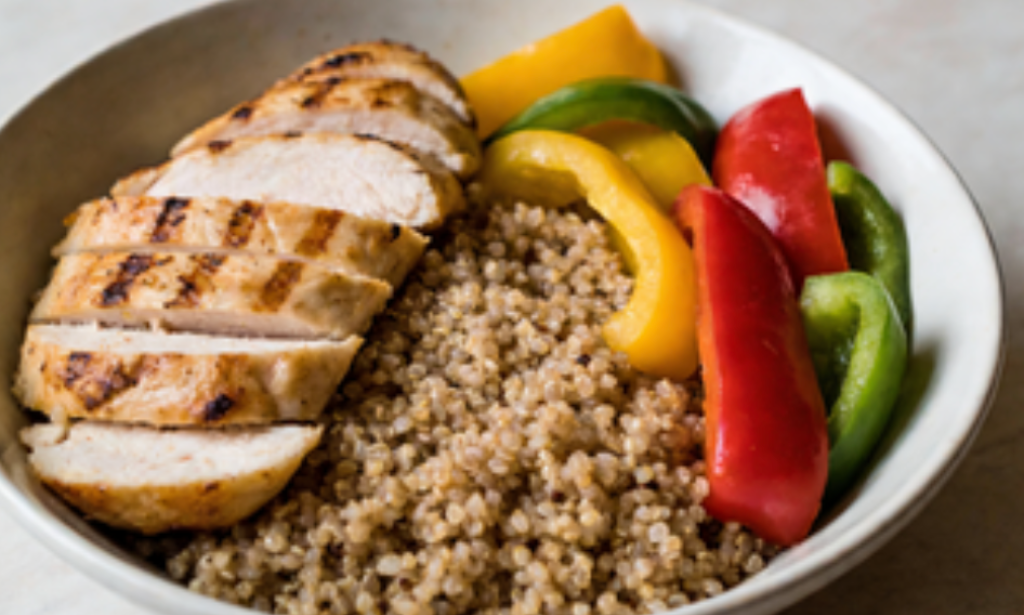

For those looking to lose fat while maintaining energy and fullness, quinoa is an excellent choice. Often referred to as a “supergrain,” quinoa is actually a pseudocereal (a seed that is cooked and eaten like a grain) that is gluten-free, high in protein, and rich in complex carbohydrates and fiber. Unlike refined grains that cause blood sugar spikes and crashes, quinoa provides sustained energy, making it ideal for fueling workouts and keeping you full throughout the day. In this article, we’ll explore the fat loss effects and health benefits of quinoa, and share practical ways to add it to your diet.
One of the key fat loss benefits of quinoa is its high protein content. A 100-gram serving of cooked quinoa contains approximately 4.4 grams of protein, which is significantly higher than most grains (e.g., rice has about 2.7 grams of protein per 100 grams cooked). Protein is essential for fat loss because it boosts the thermic effect of food (TEF), increases satiety, and preserves lean muscle mass. The protein in quinoa is also a complete protein, meaning it contains all nine essential amino acids that the body cannot produce on its own. This makes quinoa an excellent protein source for vegetarians, vegans, and those looking to reduce their meat intake while still meeting their protein needs during the period.
Quinoa is also rich in complex carbohydrates and fiber, which contribute to its ability to provide sustained energy and keep you full. Complex carbohydrates are digested slowly, which prevents blood sugar spikes and crashes. This stable blood sugar levels help regulate insulin, reducing the body’s tendency to store fat. The fiber in quinoa (approximately 2.8 grams per 100 grams cooked) further enhances satiety by slowing down digestion and keeping you full for longer periods. By keeping you satisfied, quinoa helps reduce hunger and cravings, making it easier to stick to a calorie deficit— the key to fat loss.
Another advantage of quinoa for fat loss is its low glycemic index (GI). The glycemic index is a measure of how quickly carbohydrates raise blood sugar levels. Foods with a low GI (below 55) are ideal for fat loss because they cause a slow, steady rise in blood sugar. Quinoa has a GI of around 53, making it a low-GI food that helps stabilize blood sugar and prevent fat storage. This is particularly beneficial for those with insulin resistance or who struggle with belly fat, as insulin spikes are closely linked to abdominal fat storage.
Beyond fat loss, quinoa offers a range of other health benefits. It’s rich in vitamins and minerals, including magnesium, phosphorus, manganese, and folate. Magnesium is important for energy production, muscle function, and blood sugar regulation—all of which support fat loss and overall fitness. Phosphorus supports bone health and cell repair, while folate is essential for cell growth and development. Quinoa is also a good source of antioxidants, which help reduce inflammation in the body and protect cells from damage.
To maximize the fat loss benefits of quinoa, it’s important to prepare it properly and practice portion control. Quinoa expands when cooked—one cup of dry quinoa yields approximately three cups of cooked quinoa. A typical serving size for is ½ to ¾ cup of cooked quinoa, which provides about 111-167 calories, 2.2-3.3 grams of protein, and 1.4-2.1 grams of fiber. When cooking quinoa, rinse it thoroughly first to remove the saponin (a natural coating that can taste bitter). Cook quinoa in water or low-sodium broth for added flavor—avoid adding oil or butter, as this increases the calorie content.
Incorporating quinoa into your diet is easy and versatile. Use quinoa as a substitute for rice, pasta, or couscous in any recipe. For lunch or dinner, serve quinoa with grilled chicken, fish, or tofu, and a side of roasted vegetables for a balanced meal. You can also add quinoa to salads for extra protein and fiber—try a quinoa salad with spinach, cherry tomatoes, cucumber, feta cheese, and a drizzle of olive oil and lemon juice. For breakfast, make a quinoa porridge by cooking quinoa in almond milk and adding toppings like berries, chia seeds, and a sprinkle of cinnamon. Quinoa can also be added to smoothies for a boost of protein and complex carbs.
It’s important to note that while quinoa is a healthy choice for fat loss, it’s still a calorie-dense food, so portion control is key. Avoid eating large amounts of quinoa in one meal, as this can push you over your calorie budget. Additionally, be mindful of the sauces and toppings you add to quinoa—high-calorie sauces like creamy dressings or butter can negate the fat loss benefits. Stick to healthy toppings like herbs, spices, lemon juice, or a small amount of olive oil.

You must be logged in to post a comment.